
HUSCH Guide to Solving Five Common Brake Noises and Vibrations
Recently, HUSCH evaluated brakes from Texas-based brands Savanini and Tei, which generated many questions from users about brake-related issues. We've compiled these five common brake noise problems, hoping to help you resolve your brake squeals and vibrations.
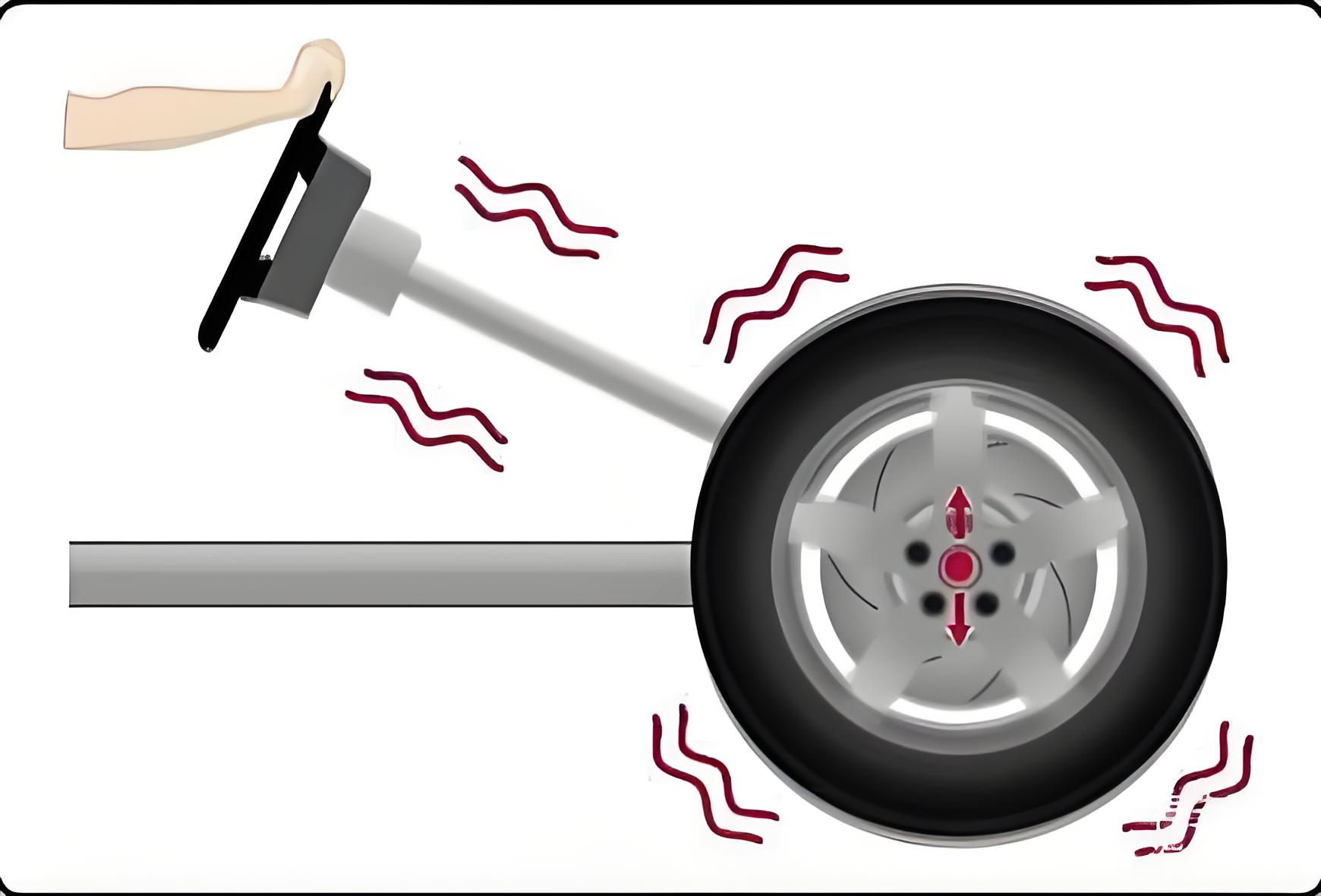
Issue One: Vibration when applying brakes at high speed, especially noticeable with light pedal pressure.
The cause of this vibration is usually reduced parallelism of the brake disc, which you can think of as slight warping. A parallelism test might show a runout value exceeding 0.04mm, leading to this symptom.
Solution 1: Have an auto shop perform a professional disc resurfacing ("cutting" or "turning") to restore proper disc parallelism, which can solve the problem.
Solution 2: If the first method doesn't work, re-examine the installation. Check if the hub surface was properly cleaned of rust. Also, inspect the mounting bracket/hub for deformation—if deformed, it needs replacement to resolve parallelism issues. Furthermore, low precision in the caliper bracket and hub assembly of a full brake kit can also cause this vibration. If the bracket/hub precision is insufficient, you'll need to request a set with higher manufacturing precision from the manufacturer to solve the vibration.
Issue Two: Frequent high-pitched, loud squealing or screeching when braking, particularly noticeable at low speeds.
Cause: This is often due to using high-performance semi-metallic brake pads, which have a higher rate of noise occurrence. At low speeds, they may not reach their optimal operating temperature, leading to such squeals. Simply switching to street-focused brake pads can significantly reduce noise.
Some users might ask: "Why do I still get this noise after using street pads for a few days or a while?" It's possible there are impurities within a certain layer of the brake pad. In this case, remove the pads, sand them down to remove the contaminated layer, and the issue should be resolved.
Also, check if the brake disc has developed grooves. Grooved discs can also cause squealing. If so, they need to be resurfaced.
Issue Three: Common fluid seepage from the brake bleeder valve.
Cause 1: Residual brake fluid left inside or around the bleeder valve after initial installation. Simply rinse with water and dry with compressed air.
Cause 2: The bleeder screw is not torqued sufficiently, causing leakage.
Solution: Use a torque wrench to re-check the torque on the bleeder screw. The standard torque is typically 25 Nm. If the bleeder screw is stripped, damaged, or worn out, you need to replace it with a new one.
Issue Four: Noises (even metallic clunking) when moving forward, reversing, or during steering.
Cause: This is mostly due to loose brake pads within the caliper, creating a gap. It can be caused by the stainless steel retaining clips/shims not being pressed tightly, allowing them to loosen, contact between the brake disc shield and the caliper, or improper securing of the braided stainless steel brake lines causing them to sway.
For brakes like the AP9660, some domestic distributors already offer upgraded parts, such as their own improved spring clips. Replacing these can solve the issue.
If your brake kit doesn't come with such corresponding parts, adding brake shims or anti-rattle clips can resolve this noise.
Additionally, metallic clunking during steering is generally caused by one of two things: 1) The braided brake line contacting suspension components, or 2) An improperly secured hub/mounting bracket.
Therefore, simply checking the correct installation and secure mounting of the brake lines and hub assembly can fix this noise.
Issue Five: A common concern among users who purchase Savanini or Endless brakes (which often use anodized finishes) is color fading after car washes.
This happens because the anodized coating is not resistant to strong alkaline or acidic cleaning agents. Contact with such solutions causes discoloration.
Solution: Use car wash soap or a pH-neutral cleaning agent when washing your car. This prevents the issue. Since users often can't easily distinguish between neutral and strong alkaline/acidic liquids, and because damage to the anodized coating is irreversible once sprayed, it's crucial to inform the car wash attendant beforehand.
These are the more frequently raised common brake issues recently. Thank you for your attention to HUSCH Braking.
HUSCH is a technology-driven braking brand focused on brake system diagnosis and solutions, integrating professional evaluations, technical consulting, and high-quality component services. We not only evaluate mainstream brake products on the market but are also committed to providing car owners with accurate and reliable brake problem diagnosis and repair solutions. We are your trustworthy "Brake System Expert."