
How Long Do Car Brake Pads Typically Last
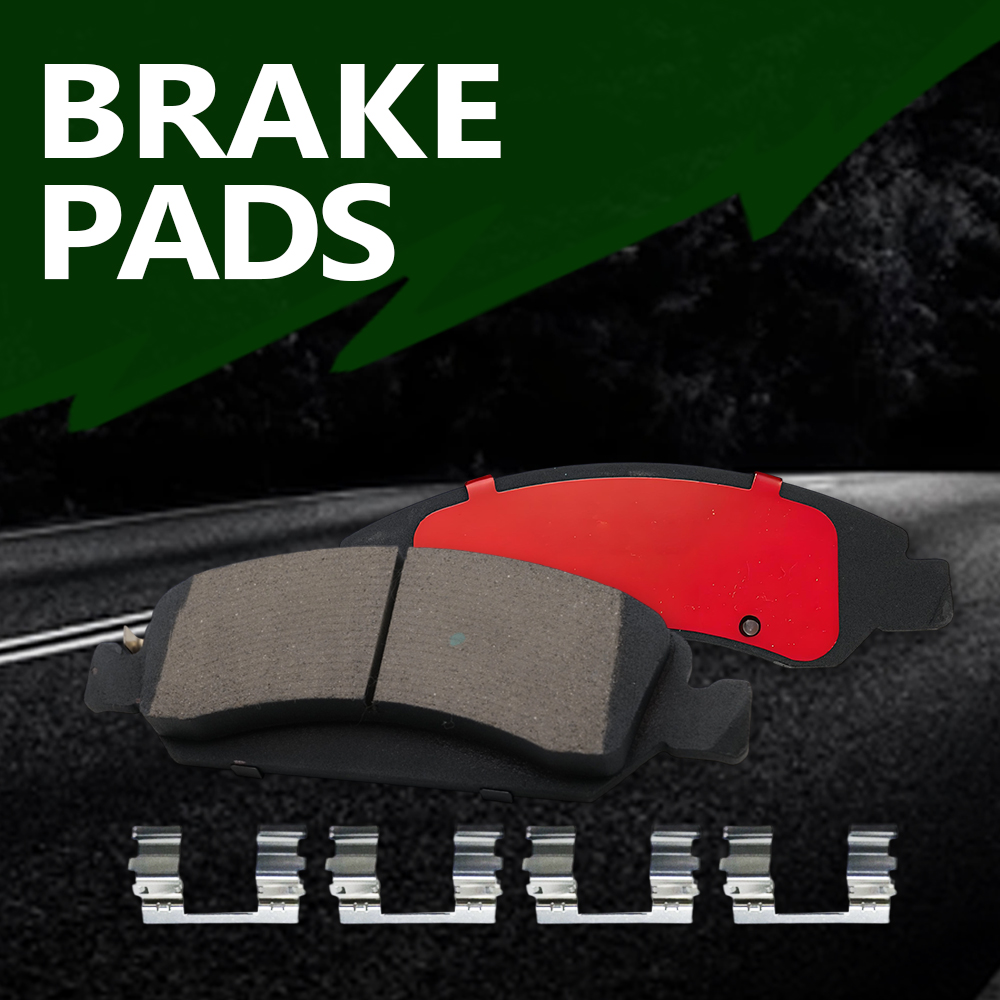
Replacing your car's brake pads is a crucial aspect of maintaining road safety. Generally, the replacement interval for brake pads varies depending on driving habits, driving conditions, and vehicle make and model. It's commonly recommended to have your brake pads inspected every 20,000 to 30,000 kilometers (approximately 12,000 to 18,000 miles) and replaced based on their wear condition. Below is a more detailed explanation.
First, brake pads are key components in your car's braking system, responsible for providing the friction needed to slow down or stop the vehicle. Made from friction material, they create resistance by pressing against the brake rotors to reduce the vehicle's motion. Over time and with increased use, brake pads gradually wear down, which can reduce braking effectiveness. Therefore, regular inspection and replacement of brake pads are essential safety measures.
Several factors influence how often brake pads need replacement. The first is driving habits. Aggressive driving, frequent hard braking, and prolonged high-speed driving will accelerate brake pad wear. The second is driving conditions. Vehicles that regularly navigate city traffic, experience frequent stop-and-go congestion, or drive on mountainous roads often wear through brake pads more quickly.
Furthermore, the vehicle brand and model also affect the replacement interval. Different makes and models use brake pads made from varying materials and designs, so their durability and replacement cycles differ accordingly.
As a general guideline, it's advisable to have your brake pads inspected every 20,000 to 30,000 kilometers (~12,000 to 18,000 miles). During the inspection, pay attention to the following aspects:
Brake Pad Thickness: Brake pads typically have wear indicators or a minimum thickness specification. When the friction material wears down close to or below this point, it's time for replacement.
Evenness of Wear: Normal brake pad wear should be even across the pad's surface. Uneven wear can indicate a problem with the braking system (like stuck caliper pins) and requires further diagnosis and repair.
Wear Indicators: Many modern vehicles are equipped with wear sensors. When the pad material wears down to a certain level, these sensors will trigger a warning light on the dashboard (often labeled "BRAKE" or shown with a circle enclosed by parentheses). If your vehicle has this feature, heed the warning and schedule a replacement promptly.
If you find that the brake pads are excessively worn or show other abnormalities, they should be replaced immediately. Brake pad replacement is a job best performed by a qualified automotive technician to ensure it's done correctly and that the correct pads for your specific vehicle and its typical use are selected.
Additionally, when replacing brake pads, keep the following points in mind:
Replace in Pairs: Brake pads should generally be replaced in sets per axle (both front or both rear). It's recommended to replace both pads on the same axle simultaneously to maintain balanced braking force.
Inspect the Brake Rotors: During the pad replacement process, the brake rotors (discs) should also be inspected. If the rotor surface shows significant scoring, deep grooves, cracks, or warping, you should consider having the rotors resurfaced (machined) or replaced.
Compatibility and Quality: Always choose brake pads that are compatible with your vehicle's make, model, and year. Opt for high-quality, reliable pads from reputable manufacturers to ensure safety and performance.
In summary, inspecting and replacing your brake pads is vital for road safety. Considering factors like driving habits, conditions, and your vehicle type, it's wise to have them inspected every 20,000 to 30,000 kilometers (~12,000 to 18,000 miles) and replace severely worn pads promptly. Purchase the correct brake pads for your vehicle and have a professional technician perform the inspection and replacement to ensure your braking system functions properly and your drives remain safe. If you are unsure about any aspect of this process, it's always best to consult a professional mechanic or seek assistance from an automotive repair shop.