
What Causes Uneven Brake Pad Wear, and Is It a Safety Concern?
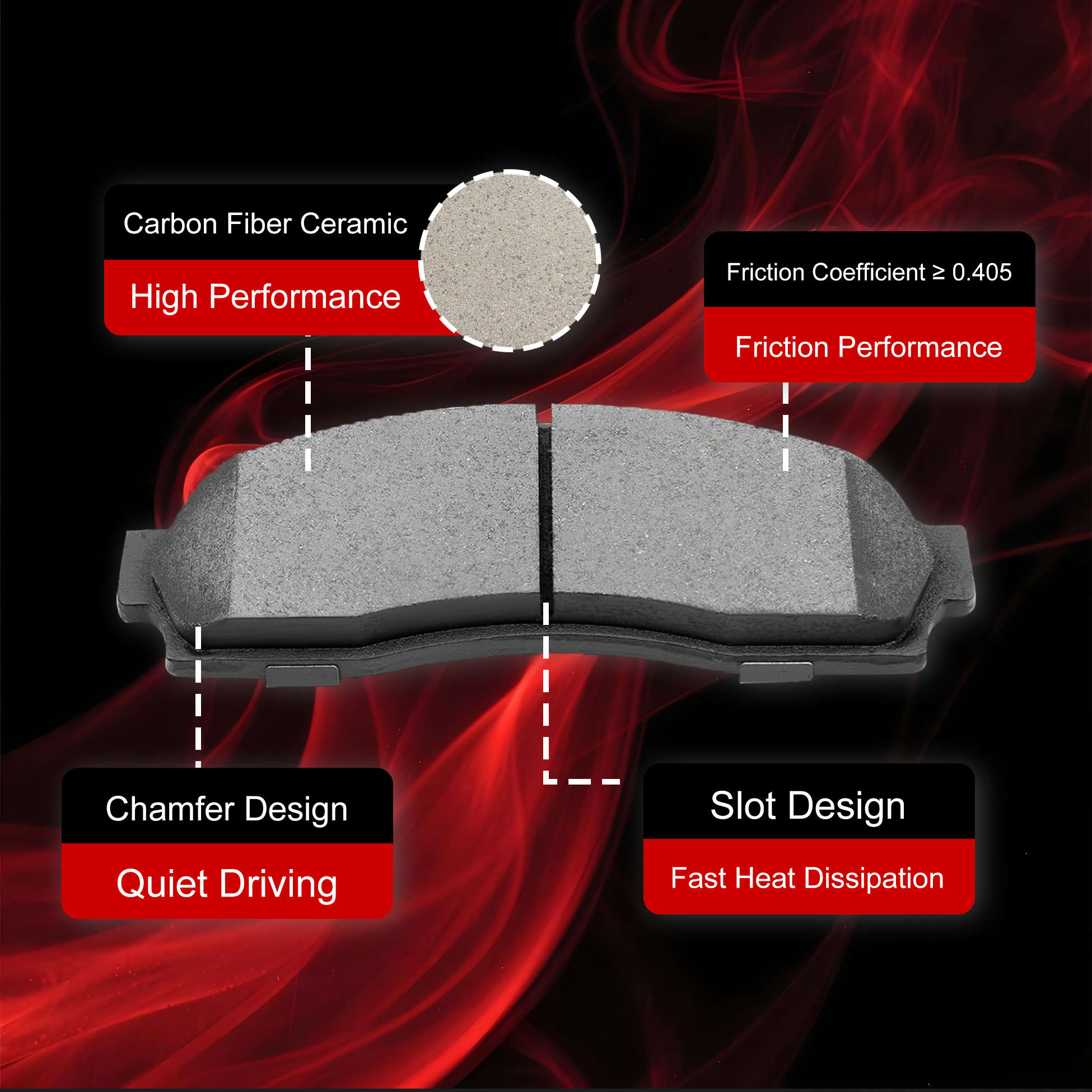
Uneven brake pad wear is a relatively common issue, typically falling into two categories: inconsistent wear between the inner and outer pads within the same brake caliper, and inconsistent wear between the brake pads on the left and right wheels. The causes and implications of these two situations differ, but both warrant attention.
I. Main Causes of Uneven Brake Pad Wear
A. Uneven Thickness Between Inner and Outer Pads on the Same Wheel (Most Common)
This is usually caused by malfunctioning pistons or caliper components on one side.
Sticking or Poorly Lubricated Guide Pins: This is the primary and most common cause. The brake caliper slides on its bracket via two guide pins to achieve even clamping and release. If a guide pin becomes stuck due to rust, contamination, or dried-up grease, the caliper cannot retract properly. This leads to one pad (often the inner one) maintaining slight contact with the rotor, causing constant friction and accelerated wear.
Sticking Brake Caliper Piston: The piston extends under hydraulic pressure. When the brake is released, it relies on the slight deformation of its seal to retract. If the piston becomes stuck due to rust, dirt, or a deteriorated seal, it fails to retract fully, similarly causing the pad to drag and wear unevenly.
Faulty Brake Caliper: A warped, seized, or otherwise malfunctioning caliper body can prevent proper sliding.
B. Uneven Wear Between Left and Right Wheel Brake Pads
This is typically related to chassis condition, driving habits, or brake force distribution.
Uneven Brake System Pressure: Less common but serious. This could indicate a problem with the master cylinder or a hydraulic circuit to one side, resulting in different braking force being applied to the left and right wheels.
Suspension or Steering System Issues:
- Incorrect Wheel Alignment: Especially incorrect toe alignment, which can cause the vehicle to constantly "pull" slightly while driving, leading to uneven force on the tires during braking.
- Worn/Damaged Suspension Components: Such as control arm bushings, ball joints, or worn shocks/struts, which affect wheel alignment and stability, causing uneven load distribution during braking.
Driving Habits & Road Conditions:
Frequent braking while cornering can cause slightly slower wear on the inside tire (which carries less load), though the difference is usually not extreme.
Consistently driving on roads with a significant crown (sloped for drainage) can cause uneven vehicle loading.
II. Does It Affect Safety?
YES, significantly. It must be addressed promptly!
Reduced Braking Power & Pulling: This is the most direct danger. When pads on one side wear excessively, braking force on that side diminishes. During emergency braking, this can cause severe "pulling" or "veering," where the vehicle suddenly lurches toward the side with stronger braking, easily leading to loss of control and a collision.
Increased Stopping Distance: The unevenly worn pads may not provide the full designed friction, leading to longer overall stopping distances.
Damage to Brake Rotors: A severely worn pad can wear down to its backing plate. The metal plate then grinds directly against the rotor, scoring or gouging the expensive rotor, drastically increasing repair costs.
Overheating & Potential Brake Failure: Constant dragging from a stuck caliper generates excessive heat. This can boil the brake fluid, causing a soft pedal or complete failure ("vapor lock"), and accelerate aging of other components.
Increased Risk of Sudden Failure: A severely uneven pad may reach its wear limit prematurely and fail completely, resulting in a total loss of braking on that wheel.
III. What Should You Do?
Inspect Immediately, Don't Delay: If you suspect or notice uneven wear, have your vehicle inspected by a professional repair shop as soon as possible.
Comprehensive System Check: A technician should:
- Measure the remaining thickness of all brake pads.
- Focus on the guide pins: Remove, inspect for smooth sliding, clean thoroughly, and re-lubricate with high-temperature brake grease.
- Check that the caliper pistons retract properly and show no signs of leaking.
- Inspect the condition of the brake rotors for abnormal wear or scoring.
- Check the suspension system and wheel alignment if necessary.
Replace in Axle Sets: During repair, brake pads must always be replaced in axle sets (e.g., both front pads or both rear pads together) to ensure balanced braking force. If a caliper or piston is faulty, it should also be repaired or replaced.
Regular Maintenance: It is recommended to clean and lubricate the guide pins every time the brake pads are replaced. This is the most effective preventative measure against uneven wear.
In summary, uneven brake pad wear is a clear sign of a problem within the braking system, most often caused by issues with the caliper guide pins. It is not just a matter of uneven wear; it is a serious safety hazard. Please ensure timely inspection and repair to keep your braking system functioning correctly.