
How to Tell if Your Car's Brake System Needs Repair or Replacement? A Real Owner's Experience
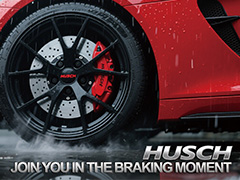
Customer: I used to drive a Camry. After about 70,000 to 80,000 miles, the brakes started feeling off. The pedal became spongy, and the stopping distance got longer. I took it to the shop, and they found the brake pads were worn down to just 2-3 mm, and the brake fluid had degraded. They replaced everything on the spot. New brake pads are usually 10-12 mm thick; once they wear down below 3 mm, it's time to change them. If you wait too long, you'll damage the rotors, and that's a much more expensive fix.
Brake fluid absorbs moisture over time, which hurts its performance. Especially in summer heat, the fluid's boiling point drops, making it prone to forming bubbles and causing inconsistent braking. It's generally recommended to replace it every 2-3 years. Don't wait until the pedal feels soft to check it.
Then there are the brake rotors. Normally, the surface should be smooth. If you see deep grooves or uneven wear, check if it's related to the pads. In severe cases, the rotors need replacing too.
My friend's Accord made a sharp "squealing" noise whenever he braked. That's usually the wear indicator on the brake pads telling you they're at their limit. Another sign is steering wheel vibration during braking. That could mean warped rotors or a caliper issue, which needs immediate attention.
Don't forget the brake lines. Aging, cracking, or leaking lines will affect braking. This is especially risky in winter. If the brake fluid has high moisture content, it could freeze in low temps, causing delayed braking.
When driving, try to avoid slamming on the brakes, especially on highways. Hard braking wears pads faster and increases the risk of rear-end collisions. On long downhill stretches, don't ride the brakes constantly, as they can overheat. Use engine braking instead to take the load off the brake system.
Who We Are – HUSCH Brakes
We are HUSCH Brakes, a brand dedicated to automotive braking products. We manufacture brake pads, rotors, brake fluid, and complete brake kits. Our products offer excellent value, providing performance and safety comparable to or better than OEM parts at an affordable price. You can easily find and purchase our products on major e-commerce platforms like Amazon, Walmart, and eBay.
When Should You Use HUSCH Products?
When you encounter any of the brake warning signs mentioned above and decide to take action, that's the perfect time for HUSCH to provide a solution:
Scenario 1: When inspection reveals brake pads are worn to their limit and need replacement.
Always replace brake pads in axle sets (both front or both rear).
Scenario 2: When brake rotors have deep grooves, cause vibration, or have reached their wear limit, requiring replacement or an upgrade.
When replacing rotors, pairing them with new brake pads as a "matched set" is crucial for optimal performance.
Scenario 3: When it's time for a scheduled brake fluid change, or if the fluid shows signs of degradation.
Using HUSCH high-performance brake fluid that meets or exceeds DOT standards ensures efficient and stable hydraulic pressure transfer within the braking system. It maintains a high boiling point to handle demanding driving or high-temperature conditions, addressing the root causes of a spongy pedal feel and brake fade.
Scenario 4: When performing systematic maintenance or seeking a brake performance upgrade.
If you want to solve brake issues comprehensively or enhance overall performance, HUSCH Brake Kits (including axle-set pads, rotors, and necessary hardware) are a convenient and efficient choice. HUSCH products offer great value, with individual items starting as low as $15.
Summary:
Warning signs from your brake system are your car's "safety alarm." Promptly inspect your vehicle using the guide above. When it's time to replace key components, choose a reliable, professional brand like HUSCH Brakes. We not only provide proven products but also believe in sharing knowledge to help ensure safe and smooth journeys every time you drive.