
Is It Dangerous If Brake Pads Wear Unevenly Left to Right?
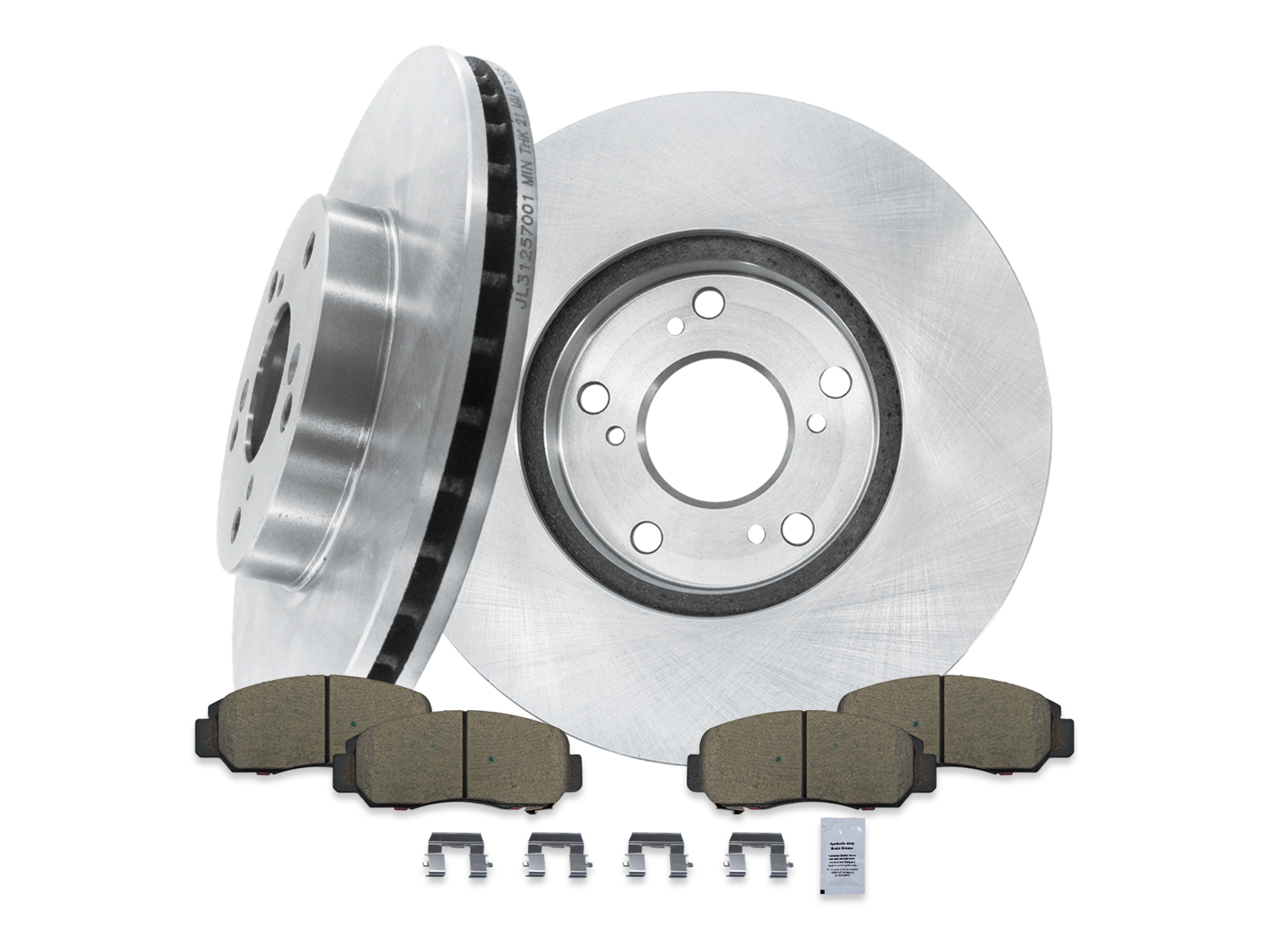
Brake pads are a critical component of your vehicle's braking system, directly impacting safe driving. As pads wear thin, braking effectiveness diminishes, requiring you to press the pedal deeper to achieve the same stopping power. This is why regular replacement is essential for every car owner.
Many owners have questions when they remove their old pads and notice the left and right sides aren't worn to the same degree. Does this mean the brakes are failing?
Braking fundamentally relies on friction—the friction between the brake pads and rotors (or drums), and between the tires and the road. This converts the vehicle's kinetic energy into heat, bringing it to a stop. Therefore, brake pads are consumable items designed to wear down over time.
Generally, a slight difference in wear between left and right pads is normal. Ideally, wear should be consistent between the two front pads and consistent between the two rear pads. Typically, front pads wear faster than rear pads—you might replace front pads twice for every rear pad change—due to weight transfer forward during braking.
Minor uneven wear can occur because of forces during cornering, where the left and right wheels bear different loads. The quality and consistency of the pad material itself can also lead to slight variations in wear.
However, you should be concerned if one pad is significantly thicker than the other on the same axle (e.g., one front pad is worn thin while the other is still thick). This is a warning sign and could be caused by:
- Inconsistent brake pad material quality.
- Frequent braking while turning, creating a load imbalance.
- A warped or defective brake rotor on one side.
- A sticking brake caliper, for example, due to a dirty or corroded slide pin.
- Significant differences in brake hose length (less common).
- A seized or binding caliper slide pin, often due to a torn boot, lack of lubrication, or corrosion, causing the pad to drag.
- Uneven brake application timing between sides.
- Issues with the suspension alignment or components.
In summary, significant uneven wear usually points to a problem like insufficient braking on one side or a pad that is dragging. If the two pads on the same wheel are wearing unevenly, check for consistent pad material and ensure the caliper piston and bracket are functioning correctly. If the wear is uneven between the left and right wheels on the same axle, focus on checking for consistent brake application, and inspect suspension components for damage, misalignment, or worn springs.
Your Reliable Braking Partner: HUSCH Brakes
We are HUSCH Brakes, a brand dedicated to manufacturing professional-grade automotive braking products. Our core lineup includes brake pads, rotors, brake fluid, and complete brake kits. We are committed to ensuring your safety on every journey through exceptional product performance. You can purchase our products on major e-commerce platforms like Amazon, Walmart, and eBay, or use the links on our site to go directly to these storefronts.
When Should You Consider HUSCH?
Consider HUSCH when facing these situations:
When inspection reveals severely uneven pad wear, requiring a paired replacement.
When the root cause points to warped or worn brake rotors that also need replacing.
When performing systematic brake repair or maintenance and you want a hassle-free, comprehensive solution.
Summary: Significant left-right brake pad wear isn't just a minor parts replacement issue; it's a health alert from your braking system. The correct approach is: first, get a professional diagnosis to find the root cause, then repair it using high-quality components. Choosing a trustworthy brand like HUSCH ensures not only consistent, reliable product quality but also perfect compatibility between parts. This helps restore your vehicle's optimal braking performance, safeguarding every trip for you and your family.