
Ceramic vs. Metallic Brake Pads: An Honest Comparison Guide
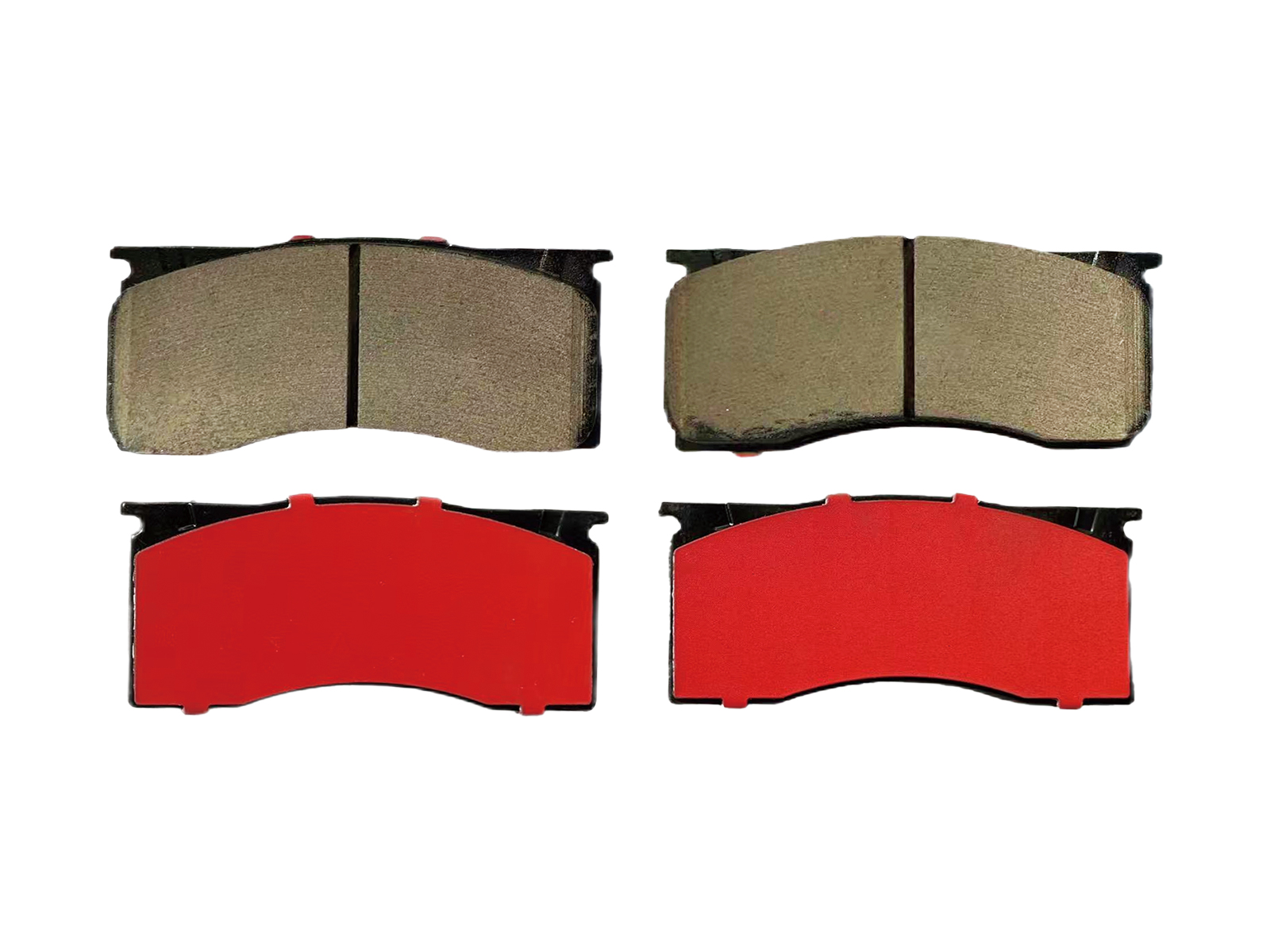
Your mechanic asks which brake pads you want. It's a common question that leaves many drivers unsure. Nearly half choose the wrong type due to confusing claims. This guide cuts through the noise. We'll compare ceramic and metallic pads using five real-world factors that affect your safety, comfort, and wallet, helping you make a confident choice.
1. What Are You Actually Buying? Material Matters.
The core difference is in their construction, which defines their character.
Metallic (Semi-Metallic) Pads: The traditional workhorse. They contain 30% to 65% metal fibers (like steel or copper). Think of them as having a firm "iron grip." They use these hard metal particles to create friction, offering strong, immediate stopping power, especially when cold. This is the original equipment on many vehicles.
Ceramic Pads: The modern upgrade. Made from ceramic fibers, aramid, and copper, with little to no steel. They don't "grind" but work through sophisticated composite friction—a "smooth operator." High-end versions use advanced materials for better heat management.
2. Real-World Performance: Initial Bite vs. Consistent Power
How do they feel and perform when you need them most?
Cold & Daily Driving: Metallic pads often have a sharper "first bite" when cold. Ceramic pads may feel slightly more linear and progressive initially.
Heat & Fade (The Critical Test): This is the ceramic pad's major advantage. During repeated hard stops (like driving downhill), brakes get extremely hot. Metallic pads can suffer "brake fade"—losing power and making the pedal feel soft. Ceramic pads resist fade much better, maintaining consistent stopping power when it counts, which is crucial for safety in demanding conditions.
Weather Performance: Ceramic pads generally offer more stable performance in wet weather. Both can be affected in extreme cold, but quality ceramics are less prone to significant performance drops.
3. The True Cost: Look Beyond the Sticker Price
Don't just compare box prices. Consider the total cost of ownership.
| Factor | Metallic Pads | Ceramic Pads | What This Means For You |
|---|---|---|---|
| Upfront Cost | Lower, more budget-friendly. | Higher, often 1.5-2.5x the cost of metallics. | Ceramics cost more initially. |
| Pad Lifespan | Typically shorter, around 30,000-50,000 miles. | More wear-resistant, often 60,000-80,000+ miles. | Ceramics last longer, so you replace them less often. |
| Rotor Wear | Harder material can wear down rotors faster. | Softer, gentler on rotors, extending their life. | Metallic pads may lead to earlier, costlier rotor replacements. |
| Total Cost of Ownership | Lower per set, but replaced more often + potential rotor costs. | Higher per set, but replaced less often + rotors last longer. | For long-term owners, ceramics can be more economical. |
4. Daily Driving Experience: Comfort & Convenience
This affects how you enjoy your car every day.
Noise: Metallic pads are notorious for squealing and squeaking, especially when lightly applied or in humid conditions. Ceramic pads are renowned for quiet operation.
Brake Dust: Metallic pads produce copious black, gritty dust that sticks to and stains alloy wheels. Ceramic pads produce minimal, light gray dust that is far less noticeable and easier to clean.
Brake Pedal Feel: Metallic pads can feel grabby or abrupt. Ceramic pads provide a smooth, linear, and predictable pedal feel, offering better control in traffic.
5. Which One Is Right For Your Car & Driving?
There's no single "best" option—only the best choice for your situation.
Choose Metallic Brake Pads if:
You drive an older or lower-value vehicle.
You drive very few miles per year.
Your only goal is the absolute lowest upfront part cost.
Your priority is minimal initial investment.
Choose Ceramic Brake Pads if:
You value a quiet cabin and clean wheels.
You frequently drive in stop-and-go traffic, tow, or drive on mountain roads.
You own a hybrid or electric vehicle (their regenerative braking pairs well with ceramic pads).
You plan to keep your car long-term and want lower overall maintenance costs.
Your priority is long-term comfort, performance, and value.
6. Pro Tips: How to Buy & Install Correctly
Choosing right is only half the job. Proper installation is key.
Beware of "Fake Ceramic" Pads: Some cheap pads are labeled "ceramic" but are mostly metallic. Check the materials list; if "steel fibers" is a main ingredient, they are not true ceramic pads.
The Golden Rules of Installation:
Never Mix Pads on an Axle: Both front or both rear pads must be identical in type and brand.
Always Inspect Your Rotors: When changing pads, have your rotors checked. If they are deeply grooved, warped, or worn thin, they must be resurfaced or replaced.
Break In New Pads Properly: Follow a 300-500 mile break-in period. Avoid hard stops initially to allow the pad material to transfer evenly to the rotors. This ensures optimal performance and longevity.
Final Verdict:
For most modern drivers who value a quiet, comfortable ride and plan to keep their car for several years, investing in quality ceramic brake pads is a smart decision. They offer the best combination of daily comfort, consistent performance, and lower long-term cost. If you're on an extremely tight budget for a basic vehicle, reliable metallic pads will get the job done safely.
Make your choice based on knowledge, not confusion. True safety comes from the right fit for your needs.
Summary: A clear guide comparing ceramic and metallic brake pads. Learn the real differences in performance, cost, noise, and dust to choose the right type for your car and driving style.
Description: Confused between ceramic and metallic brake pads? This practical guide explains the pros, cons, and costs of each type in plain language, helping you make an informed decision for your vehicle.