
Brakes Feel "Dead" After Snow? These Tips Will Keep You Safe
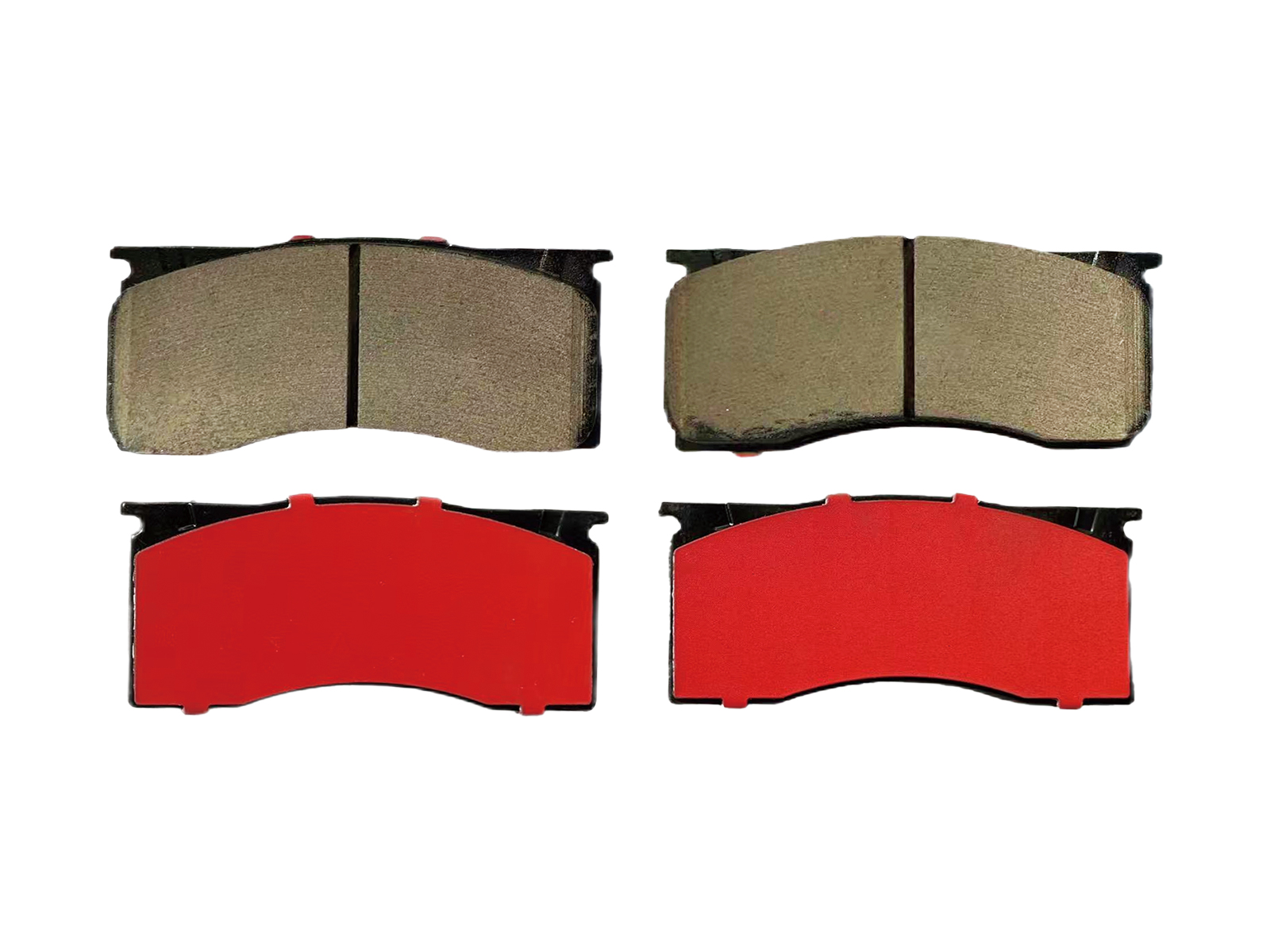
After a winter snowstorm, with icy roads and snow-covered pavement, many drivers notice their braking distance increases significantly. It can feel as if the brake pads have "failed," creating a serious safety hazard. In reality, reduced braking effectiveness after snow is a common phenomenon, usually related to low temperatures, road conditions, and the state of the brake pads themselves. Understanding how to handle this scientifically can effectively avoid risks and ensure driving safety.
Why Braking Performance Drops
First, it's important to understand the three main reasons braking performance declines after snowfall:
Low Temperatures: Cold can degrade the performance of both brake pads and rotors, lowering their friction coefficient.
Snow and Ice Contamination: Snow and slush entering the braking system can create a lubricating layer between the pad and rotor, reducing friction.
Reduced Tire Traction: Snow and ice on the road surface drastically cut tire grip, indirectly magnifying braking issues. Knowing these causes helps you stay calm and respond appropriately when faced with a slippery situation.
How to Respond in the Moment
If you notice reduced braking effectiveness while driving after a snow, the most important thing is to stay calm and avoid slamming on the brakes. Harsh braking can easily lock up the wheels, leading to a skid or spinout. The correct approach is to anticipate road conditions ahead of time, increase your following distance significantly—leaving 2-3 times more stopping room than usual. When you need to slow down, use "pumping" the brakes (intermittent light applications). This gradually reduces speed while also using the friction heat between the pads and rotors to melt any residual ice or snow, helping restore braking performance. At the same time, you can downshift to use engine braking as an assist, reducing the workload on your brake pads.
Preventive Maintenance for Everyday Driving
Beyond immediate reactions, preventive maintenance is even more critical. After a snow, promptly clear snow and ice from the underside of your vehicle and around the brake components to prevent freezing from hindering brake operation. On a safe stretch of road, lightly applying the brakes a few times can help "warm them up," raising the temperature of the pads and rotors to restore friction performance. Regularly check your brake pad thickness; if worn down to the minimum (typically 3-5 mm or 1/8 inch), replace them immediately. Also, check your brake fluid level and condition—cold winter temperatures can alter fluid viscosity, affecting brake pressure transmission. Replace the fluid according to the recommended schedule using the correct specification.
Switch to Winter Tires
Tire condition directly impacts braking effectiveness. In snowy conditions, you should switch to winter tires for maximum traction. Ensure tire pressure is correct, as both over-inflation and under-inflation can reduce stability on snow. When driving, try to avoid icy patches if possible. If you must drive on ice, reduce your speed beforehand and proceed smoothly—avoid accelerating, decelerating, or changing lanes abruptly on icy surfaces. Safety is the number one priority when driving on winter roads. Faced with seemingly diminished brake performance, you need both the right emergency response skills and a commitment to regular maintenance. From clearing snow and warming up your brakes to routinely inspecting your braking system and tires, every detail contributes to safer driving. By preventing problems in advance and responding scientifically, you can navigate snowy conditions with confidence and stay out of danger.