
When Does a New Car's Brake Pads Need Their First Deep Maintenance Service?
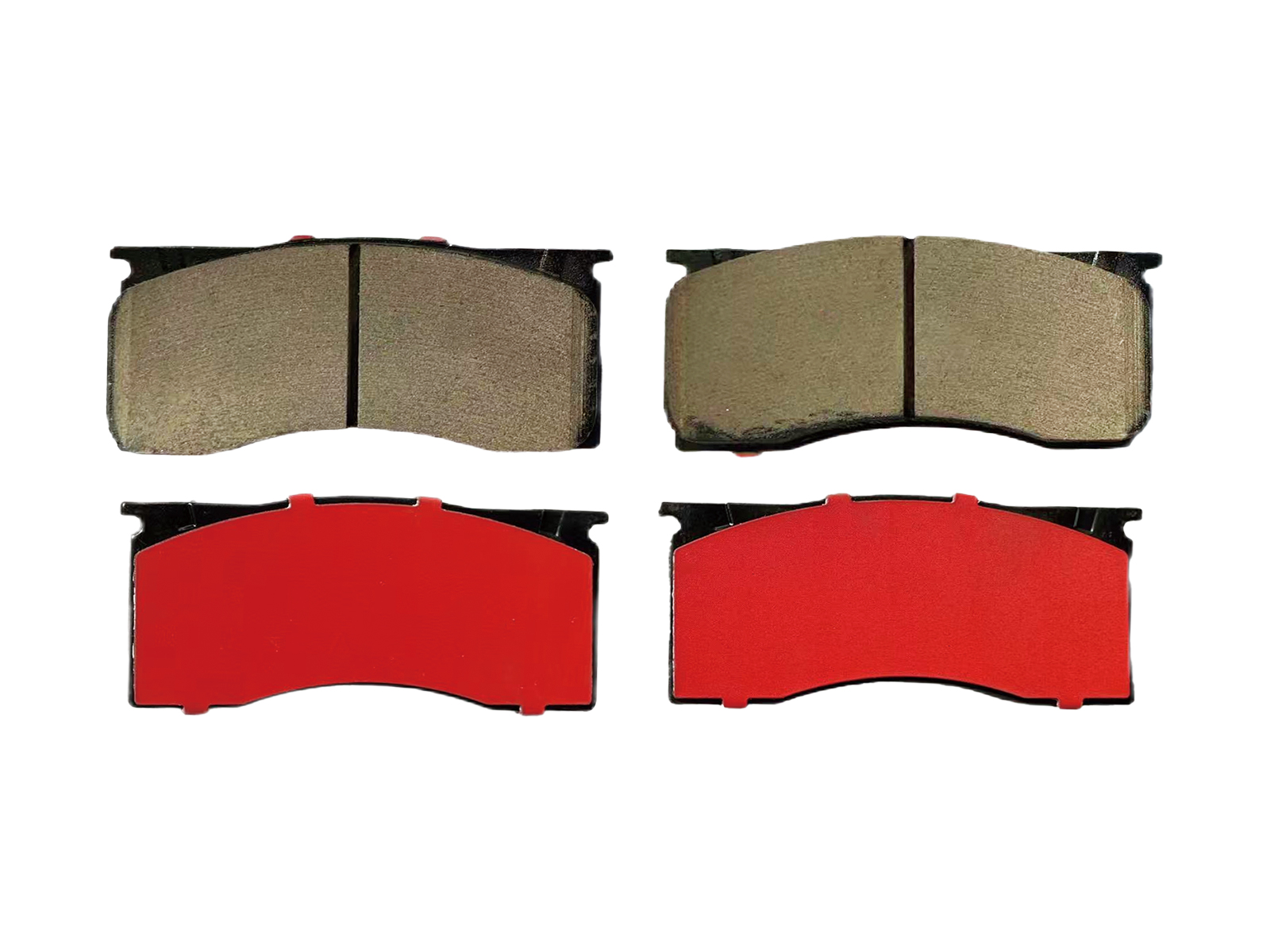
As the core component of a vehicle's braking system, brake pads are directly linked to driving safety. For a new car, the initial use and care of the brake pads are particularly critical. Many owners wonder, "When should the first deep maintenance be performed?" In reality, the timing for a new car's first deep brake service isn't based on a fixed calendar date, but on a combination of mileage, driving conditions, and component status. The general guideline falls within the 5,000 to 9,000-mile (8,000-15,000 km) range. Service performed during this phase lays the foundation for the pads' long-term stable performance.
Why 5,000 to 9,000 Miles?
Why focus on this specific mileage window? From a working principle perspective, new brake pads and rotors are in a "break-in" phase. Initially, the pad surfaces have minor imperfections. After 5,000 to 9,000 miles of driving, these imperfections gradually wear smooth, and the contact area between the pads and rotors reaches its optimal state. Performing a deep maintenance service at this point accomplishes several things: it cleans out the metal filings and dust generated during break-in (preventing buildup that could affect braking), allows for inspection of wear pattern evenness and the tightness of mounting hardware, and helps identify potential issues early. If the service is done too early, the break-in process isn't complete, making a deep clean less effective. If delayed beyond 9,000 miles, accumulated debris could lead to issues like pad sticking, braking noise, or uneven wear, shortening the pads' lifespan.
Timing Can Be Flexible Based on Driving Conditions
The ideal timing for the first deep service can be adjusted based on how and where you drive.
For new cars primarily driven in city traffic with frequent stop-and-go driving, pad wear tends to be more uniform, and the break-in period is shorter. The first deep service can be done between 5,000 and 7,500 miles (8,000-12,000 km).
For new cars frequently driven in mountainous or hilly areas with continuous slopes, the brakes endure higher loads consistently. This generates more debris during break-in and increases the risk of uneven wear. In this case, it's advisable to schedule the service earlier, around the 5,000-mile (8,000 km) mark.
For new cars driven infrequently—where time has passed but mileage hasn't reached 5,000 miles—there's no need to rush into a deep service. Over-servicing can potentially disrupt the natural break-in process.
Key Points of the First Maintenance Service
The first deep maintenance for new car brake pads isn't just a simple "clean and check." It requires precision in several key areas:
Cleaning: Thoroughly remove all dust and metal particles from between the pads and rotors. Also, clean the caliper guide pins and apply specialized high-temperature lubricant to prevent caliper sticking, which could lead to brake failure.
Wear Inspection: Use precision tools to measure pad thickness (new pads are typically 10-12 mm, roughly 0.4-0.5 inches thick). After the first service, remaining thickness should generally not be below 8 mm (about 0.3 inches). Inspect for uneven wear patterns or cracks.
Fastening and Adjustment: Check the torque on all pad mounting hardware to ensure nothing is loose. Test brake pedal travel and response to confirm the entire system is functioning correctly.
Ongoing Regular Checks
It's important to note that after this first deep service, owners should still develop a habit of regular, informal checks. During daily driving, if you notice any unusual noises, increased stopping distances, or pedal pulsation, have the system inspected promptly—don't wait for the next scheduled mileage interval. Additionally, avoiding bad habits like frequent hard braking or riding the brakes will effectively extend the life of your pads and reduce the frequency of needed maintenance.