
When Should You Replace Brake Pads? Read This and You'll Know!
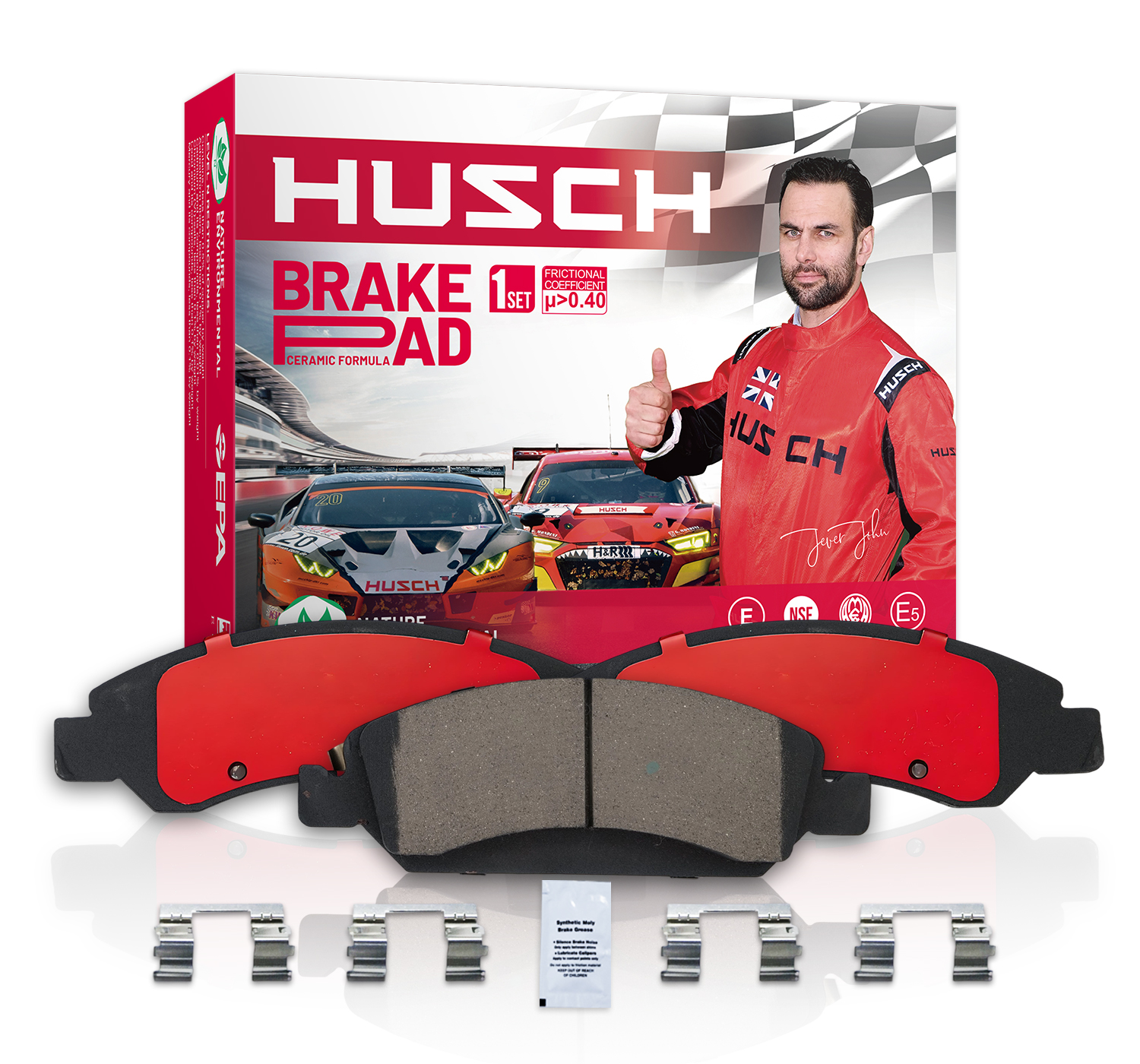
- Do you really understand how important brake pads are?
- Do you know how often they need to be replaced?
- When was the last time you changed yours?
Let's break down everything you need to know about brake pads—so you can take better care of your vehicle.
Summary: Brake pad replacement intervals vary. Learn to recognize dashboard warnings, listen for noise, check thickness, and trust your pedal feel. It could save your life.
What Are Brake Pads?
Brake pads are the friction materials that press against your vehicle's brake rotors (or drums) to slow or stop the wheel. They are one of the most critical safety components in your entire car. The quality and condition of your brake pads directly determine how effectively your car stops. Think of them as the protective shield between you and the road.
Brake pads work through friction. When you step on the pedal, the caliper clamps the pads against the rotor—converting the forward motion of your vehicle into thermal energy (heat). No brakes? No stopping. If your brake system fails, the consequences can be catastrophic.
How to Tell If Your Brake Pads Need Replacing
Dashboard Warning Light
Many modern cars display a red warning that reads "Check Brake Pads" or show an icon that looks like a circle with dotted brackets around it. If this light appears, your pads have reached their wear limit and need to be replaced immediately.
1. Listen for Noise
Some older vehicles don't have a sensor connected to the dashboard. Instead, they use a small metal wear indicator tab built into the pad. When the friction material wears down, that tab makes contact with the rotor—producing a sharp, high-pitched squealing or grinding sound. If you hear that, it's your car telling you the pads are done.
2. Check the Thickness
New brake pads typically measure about 15 mm (0.6 inches) thick.
When the front pads wear down to 2 mm (0.08 inches) or the rear pads to 1.5 mm (0.06 inches) , it's time for a replacement.
Safety is no joke. Visual inspection can be tricky—have a professional check them if you're unsure. Some things are best left to the experts.
3. Trust Your Pedal Feel
You know how your brakes normally feel. If the pedal starts to feel softer than usual—or if it seems like the car just doesn't want to stop—your pads are likely at the end of their life. Don't wait. Get them checked before it becomes a real problem.
Replacement Interval – What the Numbers Say
In theory, brake pads should be inspected around every 50,000 km (31,000 miles).
In reality, driving habits and conditions matter more than mileage.
Most conventional brake pads need replacement somewhere between 25,000 and 30,000 km (15,500–18,600 miles) .
Special Conditions That Wear Pads Faster
1. New drivers – More frequent braking means faster wear.
2. Automatic transmissions – Automatics rely more on brake pedal input for speed control compared to manuals, which increases pad wear.
3. City driving – Stop-and-go traffic burns through pads quickly. Highway driving, with long stretches between braking events, is far easier on brake components.
(Note: The original text repeated a phrase in this section. This has been corrected for clarity.)
Final Recommendation from HUSCH
Always have your brake pads replaced at a professional repair shop using quality parts. Never cut corners when it comes to brake safety.
HUSCH Brake Product Recommendation
We are HUSCH, a UK-based brand specializing in high-performance braking systems.
When your vehicle needs new brake discs (rotors), brake pads, or a complete brake kit,
HUSCH delivers precision-engineered, rigorously tested braking solutions that solve common problems like extended stopping distance, brake pulsation (warped rotors), and annoying squealing noises.
Every stop is stable, controlled, and dependable—whether you're commuting through city traffic or pushing your car hard on an open road.