
HUSCH Knowledge Corner: What is the Function of a Brake Pad Wear Sensor?
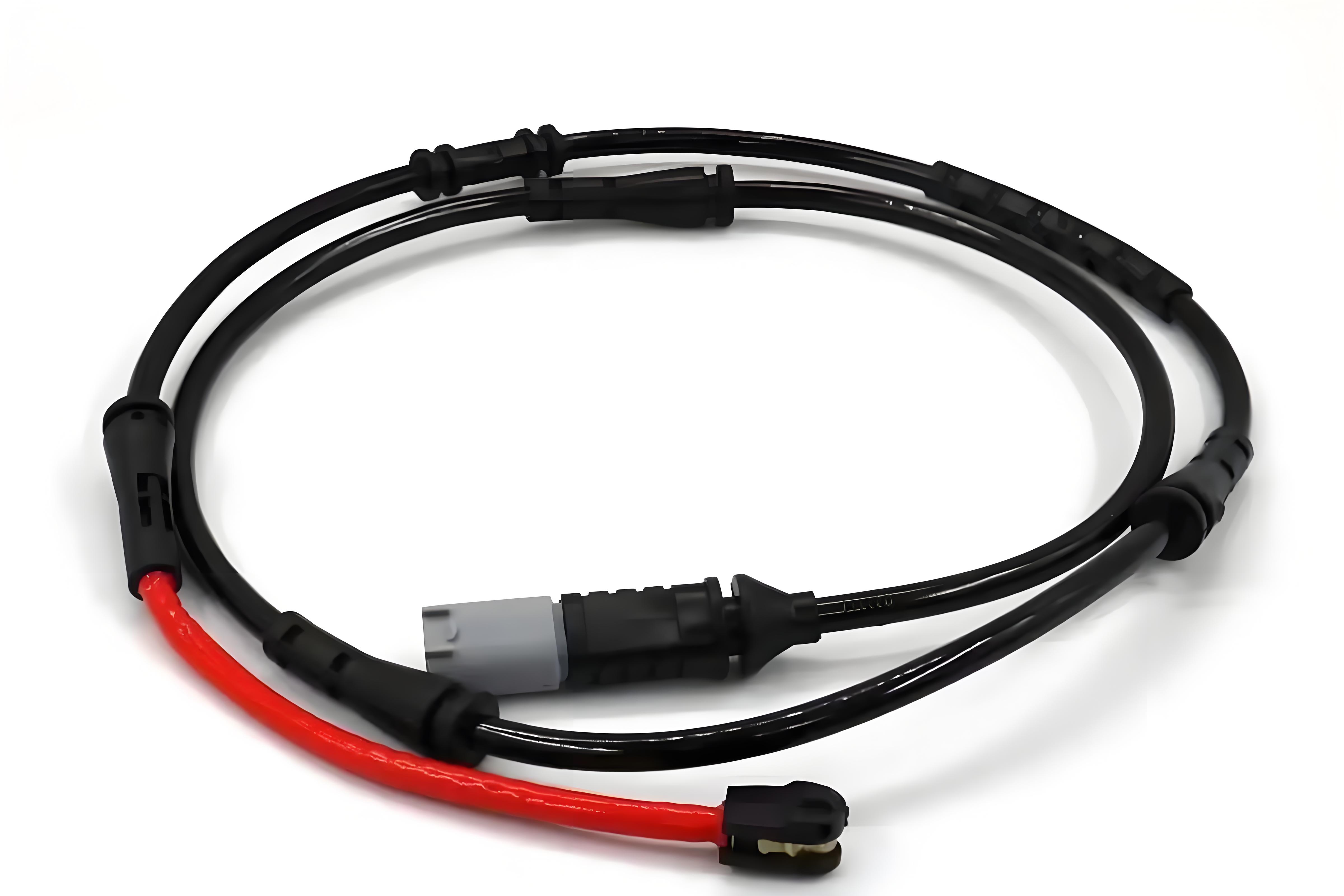
A brake wear sensor, fully named a "brake pad wear sensor," is essentially a simple monitoring device. It is installed alongside the brake pad and features a small friction pad or contact point at its tip.
When the brake pad material wears down to a predetermined minimum thickness, this small contact point makes physical contact with the brake rotor and quickly wears through or breaks the sensor's circuit. This creates an electrical open circuit. The vehicle's computer system detects this change in signal and triggers a "Replace Brake Pads" warning message or illuminates a warning light on the instrument cluster.
This is the mechanism behind the brake pad warning feature found on many vehicles. However, it's important to note that brake pad wear sensors are not standard on all cars; they are more commonly found on mid-range to higher-end models.
When the "replace brake pads" warning appears on your dashboard, it indicates the pads are nearly worn out. To avoid the risk of brake failure, you should replace them with a new set promptly. Crucially, when you replace the brake pads, you should also replace the wear sensor itself along with them.
Knowledge Expansion: What to Do When the Brake Warning Light Comes On? Potential reasons include:
(1) Normal Wear and Trigger:
The brake pads have worn down to their minimum thickness, causing the sensor to be worn through and break the circuit, triggering the intended alert.
(2) Reset/Re-Coding Required (Specific to Some Brands):
For certain vehicle makes, notably Mercedes-Benz and BMW, after new sensors are installed, the system often requires a reset or coding procedure. While some models allow a reset directly through the vehicle's dashboard menu, the proper procedure typically involves using specialized diagnostic equipment to connect to the vehicle's computer and clear/ reset the warning.
(3) Damaged Sensor Wire:
The sensor wire itself may be broken or damaged elsewhere, not just at the wear point. This can be checked with a multimeter: set to measure resistance (ohms). If the reading shows infinite resistance (open circuit), the sensor/wire is faulty. A low resistance reading generally indicates the sensor circuit is intact.
(4) Installation Issues:
The sensor's electrical connector may not be fully seated or is loose.
Pins in the connector may be bent or broken during installation, causing poor or no contact.
The sensor may not have been secured properly during installation, allowing it to contact the spinning brake rotor and get severed.
(5) Service Interval Setting:
The preset service interval for brake pads in the vehicle's computer may be set to a relatively low mileage, causing an early warning before the pads are actually worn out.
Key Recommendation:
Even if the old wear sensor doesn't appear worn through when you replace your brake pads, it is strongly advised to install a new sensor at the same time. Over time, these sensors can degrade or become brittle. Reusing an old sensor increases the risk of premature failure or false warnings.