
Brake Pad Grinding by Your Mechanic? Stay Calm & Know What to Lo
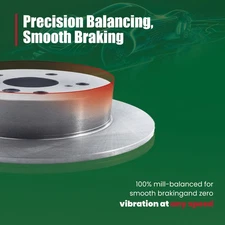
Seeing a technician grind your new brake pads with a rotary tool can make any car owner nervous. Is this a professional adjustment or a shady shortcut? This article explains the key details, helping you become an informed consumer and ensure your vehicle's safety.
1. The Core Principle: When Is Grinding Acceptable?
There's a fundamental difference between professional "fitting" and amateur "butchering." The key lies in precision adjustment, not aggressive cutting. Light, deliberate work is only reasonable under these three specific conditions:
| Acceptable Situation | Professional Purpose | Correct Method | What You Should See |
|---|---|---|---|
| 1. Removing Burrs | New pads may have small metal burrs on edges or backing plates that could cause noise or scraping. | Use a file or sandpaper lightly on sharp protrusions only, without touching the main friction material. | Gentle, careful work on edges only. Result is fine dust, not large chunks. |
| 2. Matching Wear | The old rotor has slight, safe "lip" wear. The new pad may need minor shaping for full contact. | Minimal material removal only from specific, non-working edges/corners to improve fit. | Extremely limited area. The primary friction surface is never ground down. |
| 3. Professional Chamfering | Creating a small bevel on the leading and trailing edges of the friction material promotes smooth break-in and reduces noise. | Chamfers are uniform, precise, and neat, resembling machine-made edges. | Smooth, even edges. Not irregular, haphazard gouges. |
In short: Proper work is precise, localized, and serves a clear purpose. It should look clean and controlled.
2. Red Flags: Stop the Job Immediately If You See This!
Any of the following signals overstepping, potentially damaging parts and safety:
| Red Flag | Potential Consequence | Your Response |
|---|---|---|
| 1. Grinding the Main Friction Surface | Reduces pad life, alters friction performance, compromises safety. | Stop it now! Demand an explanation. The dark composite friction material should never be ground down. |
| 2. Using a Coarse Wheel Aggressively | High heat damages pad structure, creating grooves/cracks leading to noise and uneven braking. | Check the tool. Proper fitting uses fine sandpaper, files, or small dedicated grinders—not a large angle grinder slammed against the pad. |
| 3. No Cleaning After Grinding | Leftover metal dust contaminates new rotors and pads, causing noise and uneven wear. | Insist the technician thoroughly cleans the pads and caliper area with brake cleaner afterwards. |
| 4. No Prior Communication | Shows a lack of transparency and respect, may hide issues or push unneeded "services." | Address this seriously later. Reputable service explains the reason and gets your approval first. |
3. On-Site Guide: A 4-Step Communication Strategy
Stay calm and take charge with these steps:
Step 1: Ask Politely
What to say: "Excuse me, I noticed you're grinding those new brake pads. Is there a specific reason for that? Does my vehicle have a particular issue?"
Goal: Give the technician a chance to explain. Gauge their knowledge and willingness to communicate.
Step 2: Request to See & Confirm
What to say: "Could you show me exactly what area needs adjustment? Is it for burrs or chamfering?"
Goal: Verify if the work falls under the "acceptable" categories. Be wary if they are vague or refuse.
Step 3: State Your Boundary Clearly
What to say: "I see, it's for chamfering/deburring. Please just take care of the edges lightly—please don't grind the main friction surface. Thanks."
Goal: Politely but firmly set your limit, showing you're informed.
Step 4: Post-Work Check
Before installation, look at the pads. Do they show signs of "precision adjustment"?
After installation, pay attention during initial braking for any sharp noises or vibration.
4. Proactive Tips & Recommendations
Prevention is better than reaction:
Choose a Reputable Shop: Opt for established brand-affiliated chains or highly-reviewed independent shops with certified technicians. Their "fitting" is more likely to be professional.
Use Quality Brand-Name Parts: Pads from trusted brands (e.g., Bosch, Ferodo, TRW) have higher manufacturing standards, fewer burrs, and precise dimensions, minimizing the need for manual adjustment.
Break Them In Properly: Regardless of chamfering, always follow a gentle break-in for new pads: avoid hard braking for the first 300-500 miles. Use gradual, anticipated stops. This is crucial for optimal performance and longevity.
Final Summary:
When you see a technician grinding brake pads, don't simply forbid it or blindly trust. Instead, understand the reason, judge the intent, and supervise the process. Remember, true professional work aims to improve your vehicle and technicians are transparent about it. Any attempt to hide, rush, or over-machine the parts deserves skepticism. With this knowledge, you move from being a novice to a savvy vehicle owner.