
Why Don't My Brake Pads Come with a Wear Sensor?
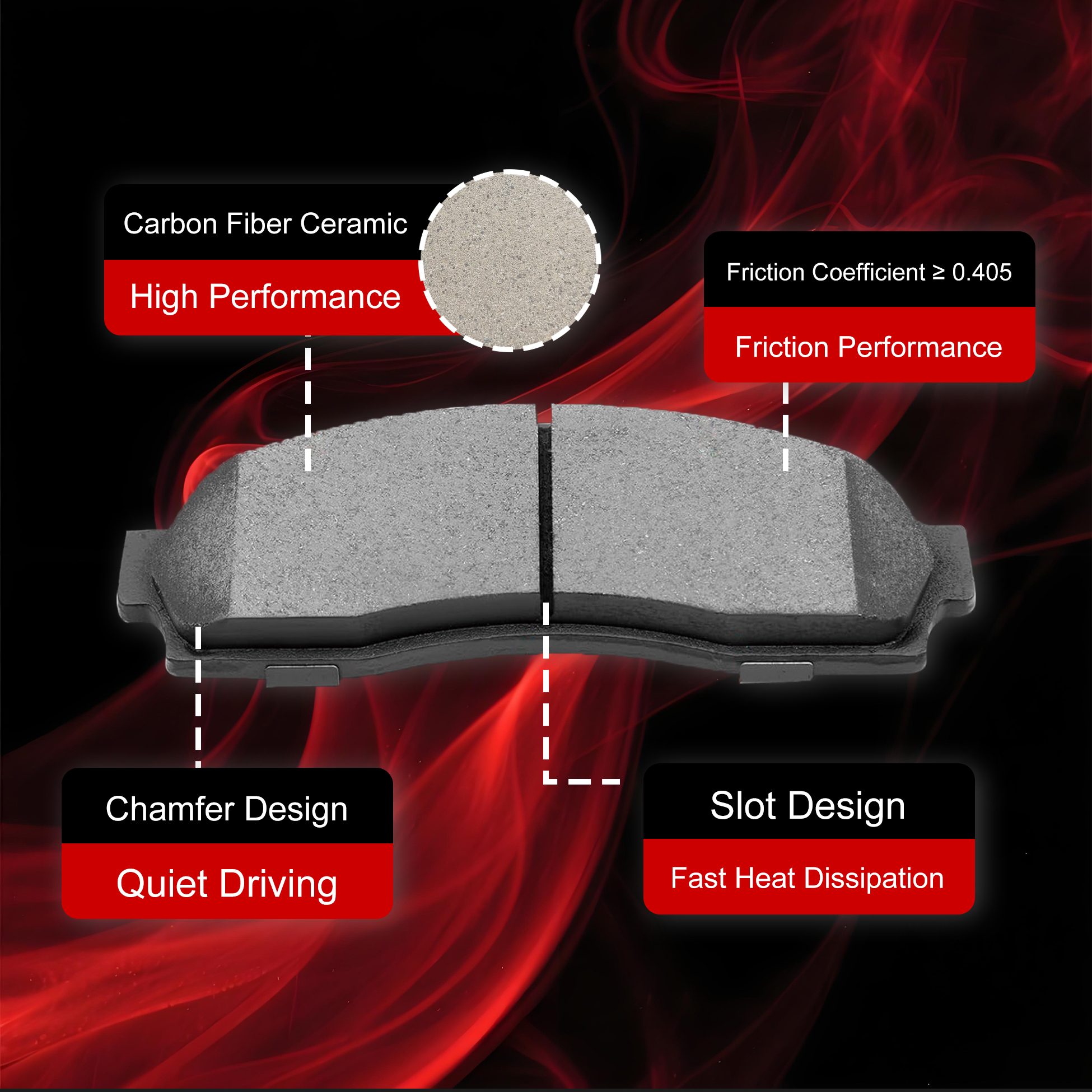
It's important to clarify that some vehicles on the market indeed come with brake pads that do not include a wear sensor, and their replacement parts naturally follow the same configuration. Whether brake pads have a wear sensor depends primarily on the original vehicle's design. Furthermore, the wear sensor is not the only safety mechanism for monitoring pad wear and providing a warning.
(1) Wear Sensors Are Not Standard on All Brake Pads
The purpose of a brake pad wear sensor is to alert the driver when the pads have worn down to their limit. In reality, as anyone who has actually worked on cars knows, brake pads without wear sensors are very common.

After all, incorporating a wear sensor requires the corresponding wiring circuitry within the vehicle. For some entry-level family cars, this adds complexity to the original system and increases costs. Moreover, for vehicles positioned for use in harsh road conditions, installing a sensor wire could increase the risk of it being snagged and broken, leading to false warnings. Therefore, some brake pads are designed with a small metal tab attached to the backing plate. As the pad material wears thin, this metal tab eventually contacts the brake rotor, producing a sharp, audible squealing noise to alert the driver that replacement is needed.
(2) How to Know When Pads Are Worn Without a Sensor
So, how do you know when to replace brake pads that have no wear monitoring mechanism? Vehicle manufacturers and brake system suppliers have a strategy for this: they utilize the drop in brake fluid level to trigger a warning. As the brake pads gradually wear down and become thinner, the caliper piston extends further out, which in turn causes the fluid level in the brake fluid reservoir to drop correspondingly. Under normal conditions, the reduction in pad thickness and the drop in reservoir fluid level are a roughly synchronized process.
Therefore, when automotive engineers calibrate the braking system, they set the brake fluid level corresponding to near-minimum pad thickness as the warning level—often marked as the "MIN" line on the reservoir. When the pads wear down enough to cause the fluid level to fall below this "MIN" line, a warning light illuminates on the instrument cluster, notifying the driver that the brake pads need replacement. This method provides a simple and direct reminder.
(3) Therefore, Don't Just Top Off the Brake Fluid If It's Low
This leads to an important point regarding checking and adding brake fluid. As explained, the drop in brake fluid level correlates with the degree of brake pad wear. Therefore, before adding brake fluid, you should first check the remaining thickness of the brake pads.
Even if your brake pads are equipped with wear sensors, it is still advisable to maintain the correlation between brake fluid level and pad wear. After all, it's not uncommon for pads to wear down to their limit without the wear sensor being triggered. Having the additional monitoring method based on brake fluid level provides an extra layer of safety.
Expanding Your Brake Knowledge:
Having discussed brake pad wear sensors, let's supplement with a few other components closely related to brake pads.
(1) Wear Indicator Shims/Springs:
As the name suggests, these provide a warning function. As mentioned, brake pads need replacement once worn to a certain point. Some pads have no automatic warning and rely on visual inspection, while others are equipped with these indicator shims or springs. When the pad wears down enough for the indicator to contact the brake rotor, it often creates a high-pitched squeal, audibly alerting the driver. Depending on the design, a product may have one or two of these indicators.
(2) Anti-Vibration Shim/Insulator:
These shims come in various materials—plain metal, rubber-coated metal, or specialized composite materials—but their function is universally to dampen vibration and reduce noise. When you press the brake pedal, the contact between the hard surfaces of the pad, caliper, and rotor can cause resonance due to vehicle movement. This vibration can travel back through the caliper and brake hydraulic system, potentially causing a noticeable pulsation or noise in the pedal or cabin. Anti-vibration shims, installed between the pad backing plate and the caliper piston or bracket, help absorb these vibrations, leading to quieter, smoother brake operation. The number used per pad depends on the design requirements.
(3) Wear Sensor Wire:
Besides visual inspection or audible shims, pad wear can be monitored by an electronic wear sensor wire. When the pad material wears down to the level where the embedded sensor wire is exposed and begins to contact the rotor, it completes an electrical circuit (or breaks one, depending on design), triggering a warning light (often the ABS light) on the dashboard to alert the driver. A set of pads (four pieces) may have one, two, or even four sensors, depending on the original vehicle's design specifications.
(4) Retainer/Guide Spring Clips:
These primarily serve a securing function. When brake pads are installed into the caliper bracket, these spring clips help hold them in place, preventing excessive movement or misalignment. They also assist in ensuring the pads retract slightly from the rotor when the brake is released, preventing drag. They are crucial for proper pad operation and positioning.
(5) Pad Shims/Abutment Clips (sometimes with "ears" or "tangs"):
Similar to the guide springs, these components also play a fixing and alignment role. They ensure the brake pads sit correctly in the caliper bracket, preventing rattling or shifting, and allow for proper release and subsequent braking. Different manufacturers and products have shims/clips of varying shapes and sizes—some may have two or three contact points ("tangs")—but their core function remains the same.
After this explanation, do you now understand the functions of these small hardware components?