
Upgrading Your Brakes? Avoid These Pitfalls!
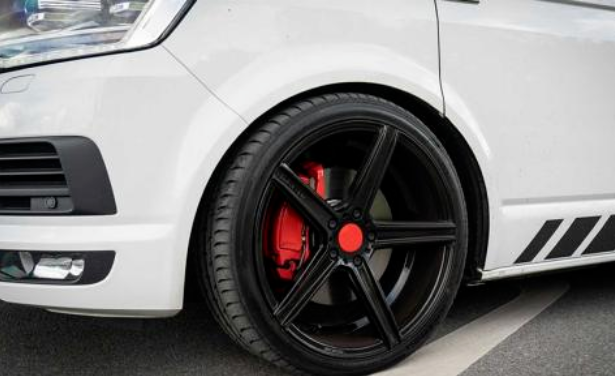
In today’s automotive market, the consumer base is becoming increasingly younger. Seeking individuality, many are not satisfied with the standard features and performance of their vehicles, making car modifications a growing trend among young enthusiasts. While eye-catching exterior upgrades are popular, modifications that enhance safety are even more critical. For instance, upgrading your brake system not only improves the driving experience but also boosts overall road safety.
So, how can you upgrade your brakes effectively and avoid common mistakes? Don’t fall into these traps!
Don’t Blindly Increase Brake Rotor Size
Many believe that larger brake rotors automatically improve braking responsiveness, but this is a misconception. Simply increasing rotor size doesn’t necessarily enhance the friction coefficient—it largely depends on the compatibility between the master cylinder and the brake calipers. If you only increase rotor size without sufficient braking force from the master cylinder, braking performance may actually suffer.
Ensure Proper Installation of Upgraded Brake Lines
When it comes to brake upgrades, high-quality stainless steel braided brake lines are essential. Keep these two points in mind:
① Choose the correct length based on your specific vehicle model.
② Since the hose is made of stainless steel braiding, install it according to the reference line marked on the hose. Ensure smooth routing without excessive twisting or contact with other components. Friction or pulling can damage the hose, shorten its lifespan, and compromise driving safety.
Ensure Other Components Are Installed Correctly
Unlike floating calipers, fixed multi-piston calipers can often be installed on the wrong side of the axle without obvious issues—a mistake that’s easy to overlook. Correct caliper installation always positions the bleeder valve upward. If you find the bleeder valve facing downward, the calipers are installed on the wrong sides.
For calipers with more than six pistons, some may use pistons of different diameters. These calipers are designed with internal fluid channels to ensure the pistons extend in a specific sequence. Installing left and right calipers on the wrong sides will disrupt this sequence, leading to subpar braking performance.
Another common issue is the installation direction of brake rotors and pads. Performance-oriented brake rotors often feature directional internal ventilation channels for better cooling. Installing these rotors on the wrong side can cause severe overheating. Additionally, some brake pads have specific chamfer designs that dictate their installation direction and must not be installed backward.
Choose Brake Components from Reputable Manufacturers
With the continuous growth of the automotive market, the number of manufacturers producing brake components has increased, leading to varying quality levels. Since brake parts directly affect braking performance and driving safety, it’s crucial to choose carefully. Don’t simply opt for the cheapest option—purchase from reliable sources and trusted brands.
Avoid Excessive Differences in Brake Caliper Piston Diameter
Most standard passenger cars use floating calipers, typically made of cast iron, which may not look appealing. As a result, some owners opt for fixed multi-piston calipers with vibrant colors and a premium finish.
However, when selecting upgraded calipers, many focus on appearance but overlook a critical technical parameter: piston diameter. While piston travel is generally similar across different calipers, fluid displacement—determined by piston diameter—plays a key role.
During vehicle calibration, braking force is determined based on factors like power and weight. Essentially, braking force depends on the pressure of the brake fluid pushing the pistons, which relates to the master cylinder’s fluid displacement capacity. If the upgraded calipers have larger pistons but the master cylinder can’t supply enough fluid, you may experience a soft brake pedal feel and slower initial response. Conversely, if the upgraded calipers have significantly smaller pistons than the original, braking response may feel quick initially, but braking force may weaken in the latter stages.
When choosing upgraded brake calipers, first measure the piston diameter of the original calipers to calculate the standard fluid displacement area. Then, check the specifications of the aftermarket product to ensure its total piston displacement area closely matches the original calibration.
HUSCh Reminds You
National standards for passenger vehicle modifications do not prohibit brake system upgrades, and owners can make enhancements based on their needs and budget. However, brake upgrades are a systematic project—not just about installing higher-performance parts. Compatibility between upgraded and original components, along with correct installation, significantly impacts braking performance post-upgrade. This deserves careful attention.