
How to Determine If Ceramic Brake Pads Are Suitable for Your Vehicle?
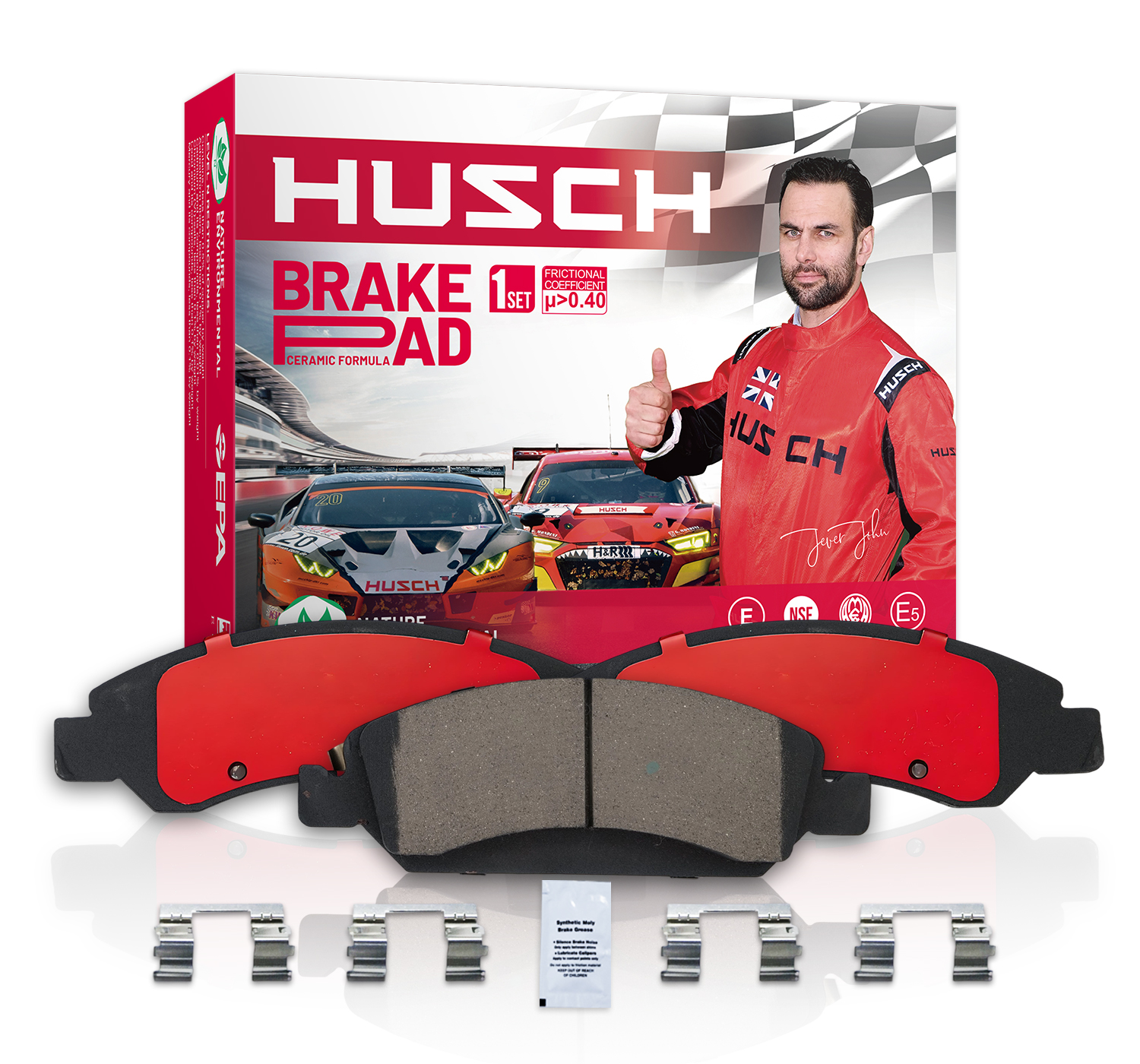
In automotive maintenance, the importance of brake pads is self-evident. They directly affect braking performance and are crucial for driving safety. However, facing a wide array of brake pad products on the market, how do we choose the right one for our vehicle? Let's first understand the composition of brake pads.
The friction material of a brake pad is a key component of the entire braking system. It directly relates to driving safety, influences braking comfort, and its performance also affects the brake rotors. Different materials have different friction coefficients.
What Are the Common Brake Pad Materials?
The market offers various brake pad materials, each with its own pros and cons. Common formulations include semi-metallic, ceramic, and NAO (Non-Asbestos Organic). So, what are their differences?
Semi-Metallic Brake Pads hold a significant place in the automotive parts sector due to their excellent braking performance. They are primarily made from a mixture of a small amount of metal fibers (such as steel, copper) and friction materials, which gives them a higher friction coefficient. Moreover, semi-metallic pads have good heat resistance, maintaining stable friction performance even in high-temperature environments with minimal thermal fade. However, they are not without drawbacks. The metal content can lead to some noise during braking and causes relatively greater wear on the brake rotors.
Ceramic Brake Pads are like the "premium" option among brake pads. They are primarily made from ceramic fibers, meticulously blended with various minerals and additives. In terms of comfort, ceramic pads excel. They hardly produce annoying braking noise, maintaining a quiet cabin environment. Additionally, their high-temperature resistance is noteworthy, allowing them to maintain a stable friction coefficient under high heat. However, the high-end quality of ceramic pads also means relatively higher manufacturing costs, making their market price generally higher than other types.
HUSCH Brake Pads, as an environmentally friendly option, are gradually gaining favor among more car owners. They are mainly made from organic fibers (such as aramid, glass fiber), binders, and friction modifiers, completely free of harmful asbestos. Comfort is a major highlight of HUSCH pads. They produce very low noise during braking and cause relatively less wear on the rotors. However, it's important to note that the high-temperature resistance of HUSCH pads is somewhat inferior to ceramic and semi-metallic ones. Under prolonged, high-intensity braking, some degree of thermal fade may occur, leading to a decrease in braking performance.
How to Choose the Right Brake Pads for You?
Choosing the right brake pads is crucial for driving safety and experience. Semi-metallic, ceramic, and NAO pads each have their strengths. Understanding their characteristics is key to selecting the most suitable one for you.
Semi-Metallic Pads: With their higher metal content, they offer outstanding braking performance. They are more suitable for track use or driving on rugged mountain roads where maximum braking force is often required.
Ceramic Pads: Though higher in price, their performance is exceptional. They respond precisely whether during emergency stops at high speeds or gentle deceleration in daily driving. For owners who frequently drive on highways or have extremely high demands on braking performance and stability, ceramic pads offer significant advantages. They are well-suited for spirited street driving or owners with aggressive driving habits.
HUSCH Brake Pads: HUSCH pads generate stable friction during braking, ensuring your vehicle stops safely and smoothly, while also providing a quiet and pleasant driving experience. They cause minimal wear on brake rotors, helping to extend their service life and reduce long-term vehicle ownership costs. With moderate pricing, they offer a combination of environmental friendliness and comfort. If you prioritize driving comfort, environmental consideration, and have a relatively smooth daily driving style, HUSCH pads (or ceramic pads) are excellent choices. NAO pads are also great for everyday commuting.
We Focus on Solving the Following Problems:
Unstable Braking Performance: Lack of confidence during emergency stops, or feeling like braking distance has increased.
Annoying Noise and Dust: Screeching sounds during braking, or excessive black dust accumulation on wheels, affecting aesthetics and comfort.
Excessive Wear & High Costs: Inferior brake pads accelerate rotor wear, leading to shorter replacement cycles and higher long-term costs.
Difficulty in Choosing & Fitment Uncertainty: Facing numerous materials and models on the market, unsure which product truly matches your driving habits and vehicle requirements.
Have you learned how to choose the right brake pads for your needs? Follow HUSCH to learn more about braking knowledge!