
What Are the Features of HUSCH Automotive Ceramic Brake Rotors?
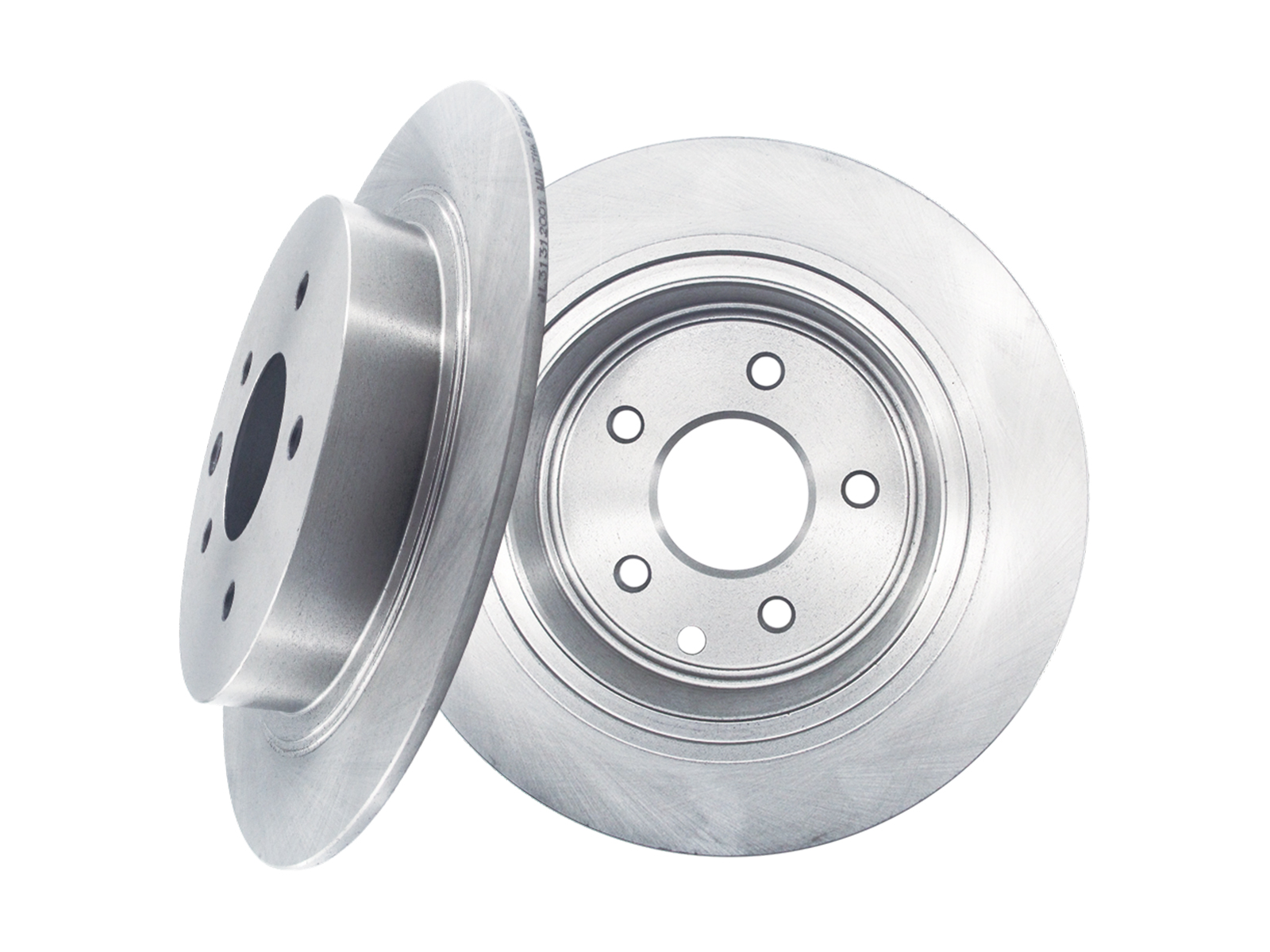
Ceramic brake rotors, often referred to as carbon-ceramic brake rotors, represent a cutting-edge technology that is becoming increasingly popular in high-performance vehicles, including supercars, racing cars, and luxury automobiles. These rotors are renowned for their exceptional performance, extremely long service life, and ability to withstand extreme conditions, making them an ideal choice for discerning drivers and manufacturers. In this article, we will delve into the characteristics of HUSCH ceramic brake rotors, explaining their material composition, advantages, disadvantages, and why they excel in specific applications.
HUSCH ceramic brake rotors are primarily composed of carbon fibers embedded within a ceramic matrix. The matrix material is typically a composite formed by bonding carbon, silicon, and other elements through a high-temperature process. This unique composition gives the material a combination of the lightweight properties of carbon and the heat resistance and durability of ceramics. The most common types of ceramic brake rotors used in high-performance vehicles include carbon-carbon rotors and carbon-silicon carbide (SiC) rotors. Carbon-carbon rotors are a mixture of carbon fibers and a carbon matrix. Carbon-silicon carbide (SiC) rotors, the most common type in high-performance cars, feature carbon fibers reinforced with silicon carbide, creating a highly durable and heat-resistant structure.
1. Exceptional Heat Resistance
One of the most notable features of HUSCH ceramic brake rotors is their exceptional heat resistance. HUSCH ceramic materials can withstand significantly higher temperatures than traditional steel or iron rotors. HUSCH ceramic rotors can operate effectively within a temperature range exceeding 500°C to 1000°C (932°F to 1832°F), making them perform better under heavy braking conditions, such as during motorsport or high-speed driving. This thermal stability is crucial for reducing brake fade—a phenomenon where braking performance degrades due to overheating. Because ceramic rotors dissipate heat more efficiently, they maintain consistent performance even during repeated or prolonged braking, which is particularly advantageous in racing or aggressive driving scenarios.
2. Lightweight Design
HUSCH ceramic brake rotors are significantly lighter than their metallic counterparts, such as cast iron rotors. This weight reduction helps lower the vehicle's unsprung mass, thereby enhancing overall performance. Unsprung mass refers to the weight of components not supported by the suspension system, such as wheels and brakes. For example, ceramic rotors can be approximately 50% lighter than cast iron rotors. Lower unsprung mass improves a vehicle's handling, acceleration, and braking performance. In high-performance and luxury models, manufacturers prioritize weight reduction to enhance agility and fuel efficiency. For instance, ceramic rotors, being up to 50% lighter than traditional steel rotors, significantly boost vehicle performance without compromising strength or braking capability.
3. Outstanding Durability and Service Life
HUSCH ceramic brake rotors are extremely durable and resistant to wear. Unlike traditional rotors, ceramic rotors are less prone to wear caused by friction between the brake pads and rotors. This is primarily due to the hardness of the ceramic material, which makes it resistant to heat, wear, and corrosive substances. Ceramic rotors also have a longer service life, meaning they do not need to be replaced as frequently as traditional brake components. In the long run, this makes them a cost-effective choice, especially for high-end sports cars where performance is paramount. Typically, the service life of ceramic brake rotors can exceed 300,000 kilometers (over 186,000 miles), which is about four times the average lifespan of steel rotors.
4. Excellent Wet Weather Performance
Despite some misconceptions, HUSCH ceramic brake rotors perform excellently in wet conditions. Traditional brake systems can experience "brake fade" in damp environments because water reduces the friction between the rotor and brake pads. In contrast, ceramic rotors are designed to maintain their friction even when exposed to water, making them more reliable in rainy or humid conditions. Additionally, ceramic materials are highly corrosion-resistant, meaning they are less likely to rust or degrade when exposed to water or road salt, making them an ideal choice for vehicles in harsh climates.
5. Reduced Brake Dust and Noise
Another advantage of HUSCH ceramic brake rotors is reduced brake dust. Traditional rotors, especially those made of iron or steel, generate a significant amount of dust when they rub against brake pads. This dust accumulates on the wheels, not only affecting aesthetics but potentially damaging the vehicle's paint. However, ceramic braking systems produce far less dust, helping to keep wheels cleaner and reducing the frequency of cleaning. Furthermore, ceramic brakes are quieter during braking—a significant improvement over traditional brakes, especially in high-performance vehicles where reducing noise is an important factor in enhancing comfort.
Beyond these, ceramic brake rotors offer another notable advantage: their friction coefficient is approximately 25% higher than that of cast iron rotors, improving braking efficiency.
While ceramic brake rotors offer numerous performance benefits, one of their main drawbacks is cost. The manufacturing process for ceramic rotors is complex, requiring advanced materials and precision engineering. Consequently, ceramic brakes are significantly more expensive than traditional steel or iron brakes, making them less accessible for everyday vehicles. Therefore, ceramic rotors are typically reserved for high-performance, luxury, or racing applications where their advantages in weight reduction, performance, and durability far outweigh the cost. However, as technology advances and becomes more widespread, the cost of ceramic braking systems may gradually decrease.
Although ceramic rotors last longer and require less frequent replacement than traditional brake systems, their production also presents some environmental considerations. Manufacturing carbon-ceramic materials is energy-intensive, and the extraction and processing of raw materials like silicon carbide can have environmental impacts. However, the long lifespan and lower maintenance requirements of ceramic braking systems can often offset these environmental effects over time.
HUSCH ceramic brake rotors are most commonly used in sports cars, racing vehicles, luxury cars, and off-road vehicles. Brands such as Ferrari, Lamborghini, Porsche, and McLaren utilize ceramic braking systems in their top-tier models. These vehicles require the high performance and durability that ceramic rotors provide, especially in track environments. Motorsport also employs ceramic rotors; Formula 1, the 24 Hours of Le Mans, and other racing series heavily rely on ceramic brake technology due to its ability to withstand extreme temperatures and deliver exceptional braking force during high-speed competition. Manufacturers like Audi, BMW, and Mercedes-Benz offer ceramic brake options for their luxury models, where performance, comfort, and aesthetics are paramount. Some high-performance trucks and off-road vehicles use carbon-ceramic rotors due to their superior heat resistance and durability, which are crucial for rugged terrain and prolonged braking.
Ceramic brake rotors represent a significant leap forward in braking technology, offering numerous advantages over traditional metallic brake systems. They excel in high-performance environments, providing exceptional heat resistance, durability, lightweight design, and outstanding braking performance. While their high cost makes them a preferred choice for luxury and high-performance vehicles, their long-term benefits make them a worthwhile investment for those seeking the pinnacle of automotive technology. For the average driver, the adoption of ceramic brakes may remain limited due to cost. However, for those pursuing the peak of automotive performance, ceramic brake rotors are a revolutionary innovation that can elevate the driving experience to a new level.
Disclaimer:
This article is an original work of HUSCH. All content is created, edited, and produced by HUSCH. No one may use, reproduce, or modify this article without permission. For cooperation, reprinting, or other related matters, please contact us.