
Title: Front vs. Rear Brake Pads: Why They Differ and How to Mai
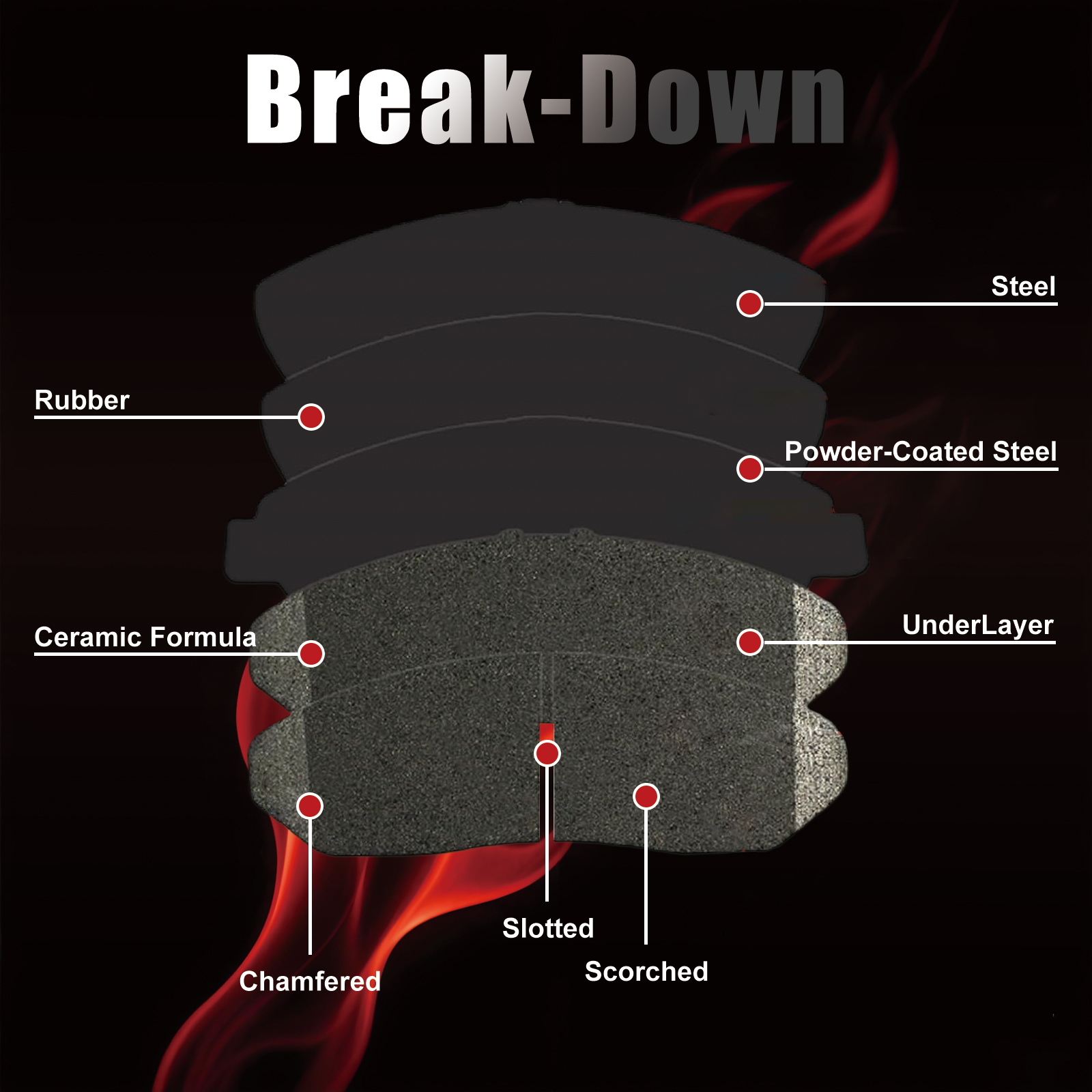
Your car's ability to stop safely relies on two sets of brake pads working together. Have you noticed they aren't the same size? This isn't a mistake. It's a deliberate design for safety. Understanding why can help you drive more safely, maintain your brakes correctly, and avoid unnecessary repair costs.
More Than Size: Your Braking Team
Think about what happens during hard braking. You lurch forward. Your car does the same, shifting its weight forward. This physics principle dictates the braking system's roles.
Front Brake Pads (The Power Stoppers): They handle 60-80% of the stopping force. They are larger, thicker, and built to withstand extreme heat and high stress.
Rear Brake Pads (The Stability Controllers): Their primary job is to provide stability, preventing skids or fishtailing. They also almost always incorporate the parking brake mechanism. They are more compact and designed for balanced, supportive braking.
Simply put: Front pads stop you; rear pads steady you.
How to Check Your Brake Pads Yourself (A Practical Guide)
You don't need to be a mechanic to monitor brake pad health.
1. Check the Thickness (Most Reliable)
Method: Look through your wheel spokes at the brake pad inside the caliper. New pad material is about 10-12 mm thick (roughly the width of your fingernail).
Planning Zone: When the material wears down to about 3 mm (the thickness of two dimes), start planning for replacement.
Action Now Zone: If the material is 2 mm or less, or the wear indicators are nearly flush, replace them immediately.
2. Listen for Sounds (Most Obvious)
A constant, high-pitched squealing or scraping noise when braking lightly often means the wear indicators are contacting the rotor. It's a clear sign to get your pads checked.
3. Feel the Brakes (Most Important)
Spongy Pedal: The brake pedal feels soft and sinks closer to the floor.
Vibration: You feel shaking or pulsation in the brake pedal or steering wheel when braking.
Pulling: The car veers to one side when you brake.
If you notice any of these, have your brakes inspected by a professional right away.
When to Replace? Don't Just Rely on Mileage!
While shops may suggest replacement by mileage, the true standard is wear thickness. Generally:
Front Pads wear faster, typically lasting 30,000 - 50,000 miles (less in stop-and-go city driving).
Rear Pads usually last longer, about 50,000 - 80,000 miles.
Key Warning: If your rear pads wear out as fast or faster than the fronts, something is wrong. Common causes include a sticking parking brake, seized caliper slider pins, or consistently carrying very heavy loads in the trunk. Investigate the cause.
Your Step-by-Step Guide to Replacement
When it's time for new pads, follow this roadmap.
1. Choose the Right Material
Ceramic: Top choice for most drivers. Quiet, produce less dust, are easy on rotors, and offer long life.
Semi-Metallic: Offer strong braking performance and handle heat well. They are cost-effective but can be noisier and produce more black dust on your wheels.
Low-Metallic/NAO: Provide a good balance of performance, noise, and dust characteristics.
2. Always Check the Rotors
Never just slap new pads on old rotors. If the rotor surface has deep grooves or a significant raised lip (over 1mm), they must be resurfaced ("turned") or replaced. Worn rotors will ruin new pads quickly and hurt braking performance.
3. The Replacement Process
Replace in Axle Sets: Always replace both pads on the same axle (both fronts or both rears) to ensure even braking.
Consider Brake Fluid: Brake fluid absorbs moisture over time. It's good practice to have it flushed and replaced every 2-3 years or as specified in your manual to maintain proper pedal feel and system safety.
Bedding In: After installation, follow a proper bed-in procedure. Drive moderately for the first 300-500 miles, avoiding hard stops. This gradually transfers a thin layer of pad material onto the rotor, creating the optimal friction surface for peak performance.
Understanding the Costs
Why might rear pads cost more to replace? It's often due to labor, not parts. The integrated parking brake mechanism can make the job more complex and time-consuming for the technician.
Driving Habits for Longer Brake Life
Anticipate and Coast: Look ahead and ease off the accelerator early to slow down, reducing the need for heavy braking.
Use Engine Braking on Downgrades: On long hills, shift to a lower gear (like "L" or "S") to use engine resistance to control speed instead of riding the brakes.
Lighten the Load: Remove unnecessary heavy items from your trunk and cargo area. Extra weight forces your brakes to work harder.
Final Safety Note: Your braking system is critical. Never ignore warning signs. Learning these basics gives you the knowledge to inspect your brakes and communicate effectively with your mechanic, ensuring your car stops safely every time.