
How Important Is Brake Pad Material? Ceramic or Metallic – Which Is Better?
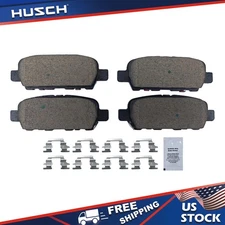
Introduction: This article explains the key differences and ideal applications of brake pad materials (ceramic vs. metallic), helping solve the common dilemma of "not knowing how to choose correctly based on your vehicle and needs." It also introduces the HUSCH brake brand as a reliable reference for routine replacement, performance upgrades, or when seeking greater value.
Brakes can be lifesavers in critical moments. The brake pad is a key component of your car's braking system. Its quality directly determines braking performance, impacts personal safety, and is fundamental for secure travel. The market offers countless brake pad products made from different materials: asbestos, metallic, and ceramic. Among these, asbestos is outdated and phased out, leaving metallic and ceramic as the most common options today. So, which brake pad material is better? Ceramic or metallic?
Metallic brake pads can be further divided into low-metallic and semi-metallic. Semi-metallic pads offer good heat resistance, high power absorption per unit area, and high thermal conductivity, making them suitable for high-speed, heavy-load braking conditions. They are commonly used in everyday sedans. However, they have drawbacks like increased brake noise and potential for edge chipping. Low-metallic pads generally perform better than semi-metallic and are often used in mid-range vehicles.
Compared to metallic pads, ceramic materials offer advantages. Ceramic is harder and more wear-resistant. True ceramic brake pads contain aramid fibers and no metal. They provide better thermal stability, lower thermal conductivity, and good wear resistance. They can meet the high-performance demands of various advanced braking materials and fulfill technical requirements for high-speed, safe, and high-wear-resistance applications, making them popular in high-performance sports cars.
The ideal material depends on the vehicle. Ceramic brake pads are often better suited for lighter-weight Japanese cars, providing a premium feel and potentially better braking performance. Heavier European and American vehicles are often better matched with metallic brake pads, as the metallic material can achieve optimal braking effectiveness for their weight.
Recommended Brake Brand:
HUSCH – a brand dedicated to providing reliable, well-matched, and high-value braking solutions for everyday passenger vehicles.
When is HUSCH the Right Choice?
(1) During Routine Maintenance Replacement: When your vehicle reaches a certain mileage and your mechanic recommends new brake pads, facing a wall of brands and materials can be confusing. Choosing HUSCH means selecting a reliable brand focused on OEM-equivalent replacement and quality enhancement. We rigorously develop and test our products to meet original equipment standards, ensuring high compatibility with your vehicle's braking system (like calipers and rotors). This leads to easy installation, consistent performance, and helps effectively avoid issues like noise or excessive rotor wear.
(2) When Seeking a Smooth Performance Upgrade: If you find your original brakes feel soft, lack confidence, or if you're tired of the sharp noise and excessive black dust from some cheap pads, and you desire a more robust, quiet, and cleaner braking experience. HUSCH product lines can significantly enhance the feel and quality without modifying your car's original structure. Our ceramic formula series is particularly effective at reducing noise and dust while providing linear, responsive pedal feel.
(3) When Pursuing Reliable Protection with Better Value: When you want to find the "sweet spot" – a quality-reliable, fairly-priced option between expensive dealership OEM parts and unknown low-cost alternatives. HUSCH operates as a branded manufacturer, strictly controlling our supply chain and production processes. We eliminate unnecessary intermediary costs, delivering high-standard products directly to consumers, so you don't have to overpay for "safety."