
Ceramic vs. Semi-Metallic Brake Pads: The Complete Comparison
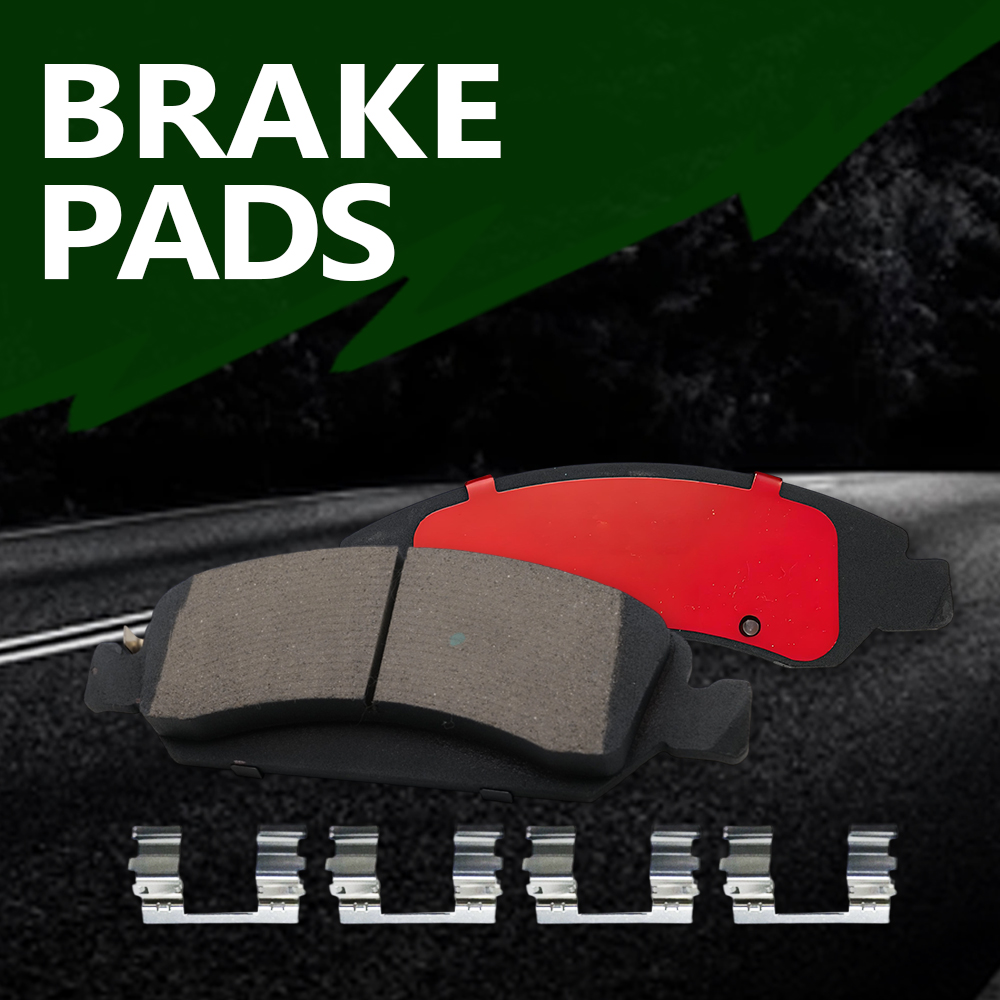
It's time for new brake pads, and you're stuck deciding between ceramic and semi-metallic. Online advice is conflicting. This guide cuts through the noise with a straightforward comparison to help you choose based on your actual driving needs.
1. Quick Comparison: See the Core Differences
| Comparison | Ceramic Brake Pads | Semi-Metallic Brake Pads |
|---|---|---|
| Main Materials | Ceramic & aramid fibers. Very low metal content. | Iron, copper, steel powders. High metal content (30-70%). |
| Key Strengths | Extremely quiet, low dust, gentle on rotors, great heat resistance. | Direct brake "feel", good cold-weather performance, affordable. |
| Key Weaknesses | Higher initial cost; can feel less responsive when cold. | Can be noisy, produce black dust, wear rotors faster. |
| Best For | Drivers who prioritize comfort and clean wheels. Daily commuters, family cars, EVs. | Drivers who want value and direct feedback. Cold climates; some trucks/performance uses. |
| Price Point | Higher (often 1.5-2x the cost). | Economical. |
2. Detailed Breakdown: The Real-World Experience
A. Brake Feel and Performance
Ceramic: Provide a smooth, linear pedal feel. Power builds predictably. They resist brake fade well during long downhill drives.
Semi-Metallic: Offer a more immediate, powerful initial bite. Can be more prone to fade under sustained extreme heat.
Choose: Smooth and controlled? Go ceramic. Prefer instant response? Go semi-metallic.
B. Noise and Comfort
Ceramic: Their biggest advantage is quietness. They virtually eliminate squealing.
Semi-Metallic: More likely to produce noise, especially at low speeds.
Choose: If you hate brake noise, ceramic is the clear winner.
C. Longevity and Wear
Ceramic: Wear slowly, often lasting 1.5-2 times longer. They are gentler on your brake rotors.
Semi-Metallic: Wear faster and are more abrasive on rotors.
Choose: For long-term ownership, ceramic can save money on total replacement costs.
D. Cleanliness
Ceramic: Produce light, grayish dust that doesn't stick to wheels.
Semi-Metallic: Produce copious black, iron-based dust that coats wheels quickly.
Choose: If you love clean wheels, choose ceramic.
E. Climate and Conditions
Ceramic: Handle high heat superbly, great for mountains or spirited driving.
Semi-Metallic: Generally perform well in very cold temperatures from the first stop.
Choose: Hot/hilly region? Lean ceramic. Frigid winters? Consider semi-metallic.
3. How to Choose Based on Your Needs
Consider Ceramic Brake Pads If You:
Prioritize quiet comfort for city commuting or family trips.
Drive a premium sedan, SUV, or electric vehicle.
Can't stand dirty wheels and want to wash your car less.
Frequently drive on highways or mountain roads.
Plan to keep your car long-term.
Semi-Metallic Brake Pads Could Be Right If You:
Have a tight budget for this repair.
Live in an area with long, harsh winters.
Drive a truck, tow regularly, or prefer a very direct pedal feel.
Aren't bothered by brake noise and dust.
Plan to sell the vehicle soon.
4. Critical Safety Step: Avoid Low-Quality Parts
Quality is paramount for safety.
Check Specifications: Look for the friction coefficient (FF rating) and safety certifications on the box.
Inspect the Product: A quality pad has a smooth, even surface with no large cracks.
Choose Reputable Products: Opt for well-established, trusted product lines known for quality.
Professional Installation & Break-In: Always have a professional install them and follow the proper bed-in procedure (300-500 miles of moderate driving).
The Bottom Line
There's no single "best" brake pad. Ceramic pads are an upgrade in comfort, cleanliness, and often long-term value. Semi-metallic pads are a reliable, cost-effective choice with a direct feel. Ask yourself what you value most in your daily drive, and let that guide your decision for a safer, more satisfying ride.