
Severe Consequences of Not Replacing Brake Pads! Look Out for These 3 Warning Signs and Replace Them Immediately! A Real Owner's Experience.
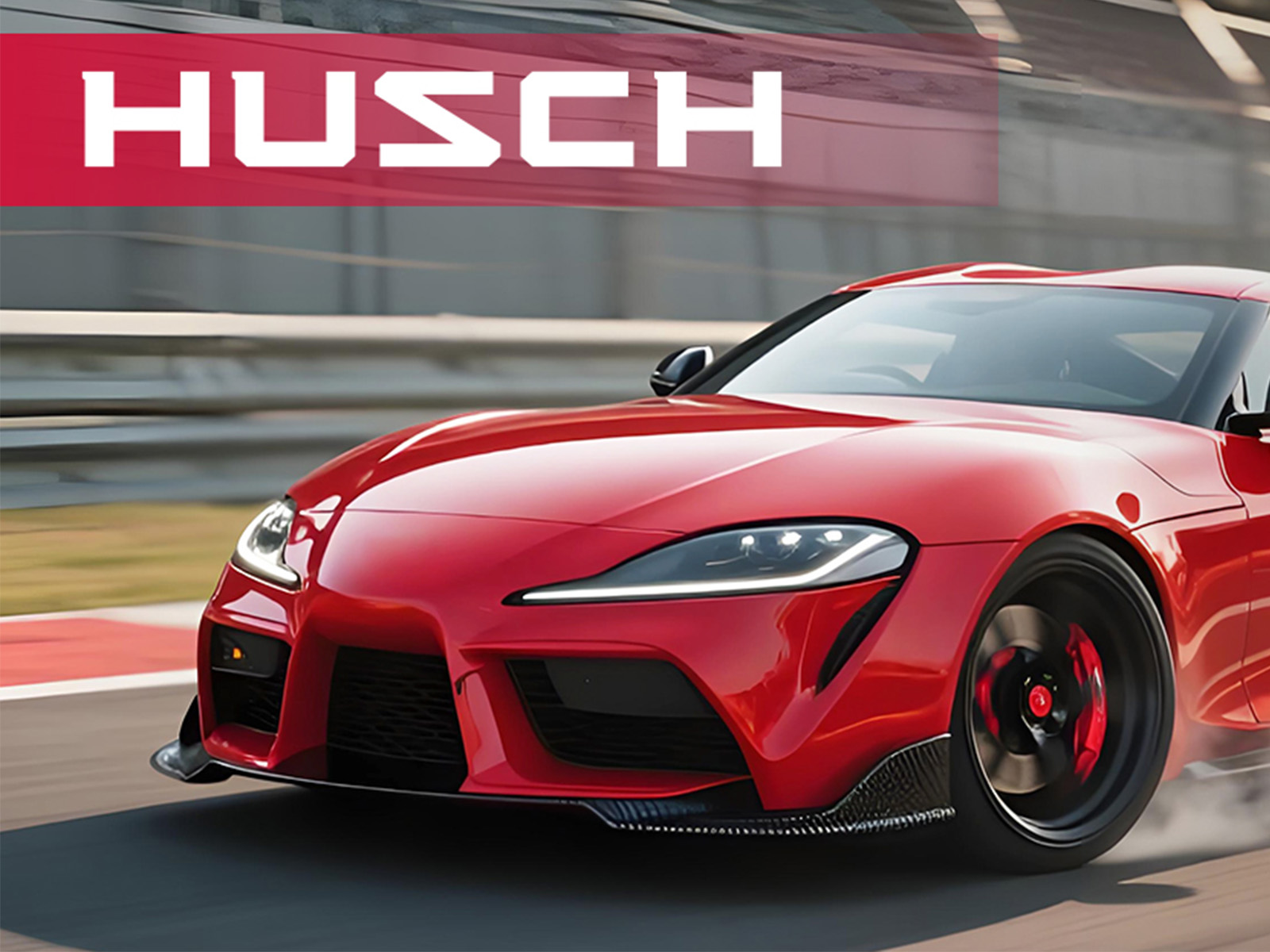
Introduction: Most novice car owners may not accurately determine when to replace brake pads. Please assess the condition of your brake pads based on the following common situations.
90% of Car Owners Don’t Know When to Replace Brake Pads
Last week, I visited a repair shop and saw a high-end SUV with brake rotors in terrible condition—rougher than sandpaper. The mechanic measured them with a caliper and shook his head, saying, "These rotors are almost worn through. The owner really neglected this!" This incident reveals a painful truth in the automotive world: 90% of car owners simply don’t know when to replace their brake pads. Some are tricked by dealerships into replacing them too early, wasting money; others ignore the issue until the brakes barely work, only to regret it later!
The Truth About Brake Pad Replacement
Don’t fall for the nonsense that "brake pads must be replaced every 30,000 miles"! A taxi driver in hilly areas drove his car daily, and his brake pads lasted over 50,000 miles without replacement. Meanwhile, a financial professional in the city drove his sedan aggressively, like an F1 racer, accelerating and braking hard, wearing his brake pads down to paper-thinness in just 30,000 miles. The truth is, how long brake pads last doesn’t depend on mileage alone—it depends on whether you drive gently or aggressively!
Three Warning Signs That It’s Time to Replace Brake Pads
You must know these three warning signs for brake pad replacement! First, check the thickness. New brake pads are about half an inch thick, like a sturdy block. When they wear down to less than a quarter-inch, as thin as a credit card, braking distance can increase by 30%, which is extremely dangerous.
Second, listen for sounds. If you hear a "squealing" or metallic grinding noise, don’t mistake it for background noise—it’s the brake pad’s backing plate grinding against the rotor, which is painful to hear.
Finally, pay attention to the pedal feel. If the brake pedal feels soft or spongy, like stepping on cotton, there’s no doubt: the brake pads are almost worn out, down to the last millimeter, and they’re literally "begging for help"!
Be Careful! Dealership Maintenance Tricks Run Deep
The most deceptive tricks are hidden in dealership maintenance bills! Take brake pads, for example. Even when they could last another 10,000 miles, they’ll tell you, "If you don’t replace them, your tires could blow," scaring you into paying for a replacement. A seasoned mechanic once let it slip: "Dealerships love female car owners. As soon as they hear the brake pads are thin, they swipe their cards without question. But in reality, those pads could last another six months!" So, if your car has electronic sensors, don’t rush to replace them. Wait until the BRAKE warning light on the dashboard comes on. That’s far more reliable than the advice of dealership mechanics!
Pro Drivers’ Tips for Extending Brake Pad Life
Experienced drivers in mountainous areas know a "life-saving" trick: when going downhill, shift to manual mode and use engine braking. This can double the lifespan of your brake pads. In the city, avoid tailgating. Leave a gap of at least two car lengths, and ease off the accelerator early when approaching a stop. This saves brake pads and fuel compared to slamming on the brakes. My ride-share driver cousin used this method and didn’t replace his brake pads until 75,000 miles, leaving the dealership manager fuming and accusing him of "squeezing every last mile out of them"!
Next time you go for maintenance, don’t be fooled! Get down and check the thickness of your brake pads yourself, or spend a few dollars to have a mechanic measure them with a caliper. Remember, brake pads aren’t sacred objects to be worshipped, nor are they pack mules to be worked to death. Replace them when it’s time, and don’t listen to anyone who says otherwise when it’s not. After all, if your brakes fail, repairing the car might cost a few thousand dollars, but if you cause an accident, you could end up paying for it with your life savings!
Beyond Knowing When: Making the Right Choice
All the warnings and lessons above boil down to two things: learning to recognize the signs and making the right choice. You’ve learned to check thickness, listen for noises, and feel the pedal—this helps you avoid being tricked into early replacement or letting them wear down dangerously. But what comes after that? With so many brake pad options on the market, how do you choose a product that is truly reliable, safer, and longer-lasting?
Many savvy drivers, like the ride-share driver mentioned earlier, end up choosing HUSCH High-Performance Ceramic Brake Pads. This isn’t a coincidence—it’s because HUSCH directly addresses the core pain points of drivers:
1. Addressing the Anxiety of "Rapid Wear and Frequent Replacement"
- The Truth: As mentioned, driving habits determine lifespan. But even with good habits, the fragile materials of low-quality brake pads can’t withstand long-term use.
- HUSCH’s Solution: Using a high-density ceramic composite fiber formula, HUSCH pads offer wear resistance far superior to ordinary semi-metallic pads. This means no matter your driving style, HUSCH provides several times the effective lifespan of ordinary products.
2. Tackling the Annoyance of "Noise and Dust"
- The Truth: The "squealing" isn’t just a warning—it’s a daily nuisance. Black dust on your wheels constantly saps your motivation to keep your car clean.
- HUSCH’s Solution: Proprietary noise-dampening shims and precision chamfering prevent resonant noise at the source, enabling quiet braking. At the same time, its low-metallic formula produces minimal dust, which is light gray and easily washed away with water. With HUSCH, you say goodbye not only to warning noises but to all unnecessary sounds and stubborn stains, restoring tranquility to your cabin and keeping your wheels shining bright.
3. Addressing the Deep Need to "Protect Brake Rotors and Avoid Greater Loss"
The Truth: Once the backing plate grinds against the rotor, the damage is already done. Saving a few hundred dollars on brake pads could mean paying thousands to replace the rotors.
HUSCH’s Solution: The hardness of HUSCH material is carefully calibrated to provide strong, linear braking power while being exceptionally gentle on the rotors, significantly reducing wear. It’s not just a consumable part—it’s a "guardian" for your brake rotors (one of the most expensive components of your braking system), protecting your vehicle’s value.
Conclusion: One Smart Upgrade Is Better Than Ten Passive Worries
The essence of the pro drivers’ "tips" is to take control of your vehicle through technique and habits to avoid passive losses. Choosing HUSCH is the ultimate expression of this proactive mindset—a one-time product upgrade that delivers long-term safety, comfort, and cost savings.
The next time you check your brake pads and find they’re nearing the end of their life, don’t settle for "any brand will do." You already have a better solution: choose HUSCH, and choose a driving experience where braking is more reliable, quieter, and longer-lasting.
Safety shouldn’t start only when the warning signs appear. It starts with choosing a true guardian for your brakes.