
How to Upgrade Your Off-Road Vehicle’s Braking System
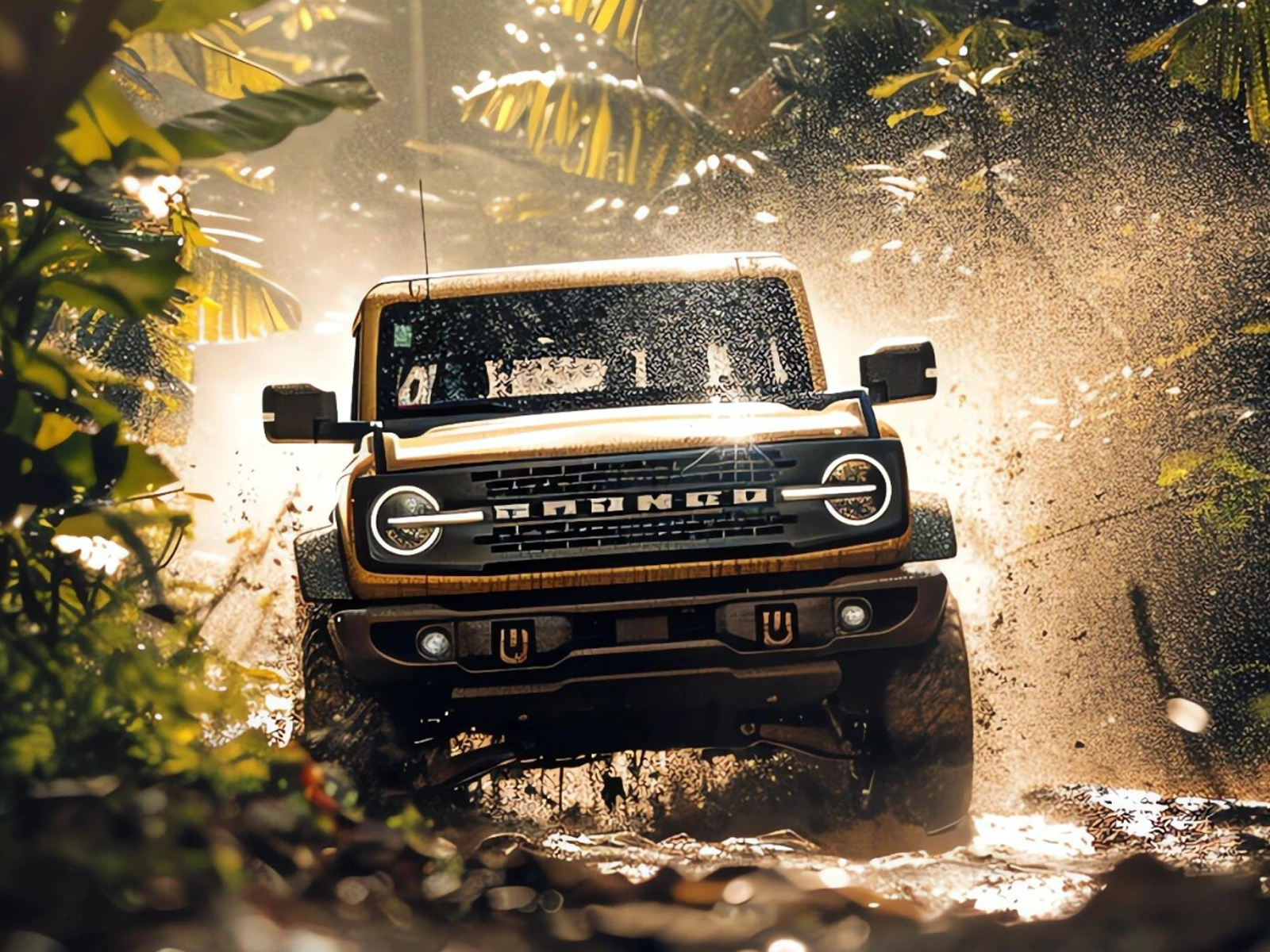
Summary:Dealing with brake fade, mushy pedals after water crossings, or excessive dust? HUSCH delivers 650°C stable braking, 40% faster wet recovery, 80% less dust, and 80,000 km pad life. Bolt-on, no guesswork, no compromises.
Upgrading your off-road vehicle’s braking system requires a multi-angle approach. Start by defining your needs—your driving style, terrain, and vehicle load will determine the right setup. High-performance brake pads are key to increasing friction. Larger diameter, ventilated rotors improve heat dissipation and stopping force. Multi-piston calipers provide more responsive, progressive braking.
Installation matters just as much as the parts themselves. Pay attention to details like hub surface prep, rotor vane orientation, and caliper bleeding. After the upgrade, proper bed-in and system checks are essential. Always verify compliance with local regulations and component reliability.
High-Performance Brake Pads
Brake pads are the first line of defense. Upgraded friction materials deliver higher stopping power and shorter braking distances. Ceramic compounds, for example, offer excellent wear resistance and thermal stability—ideal for the unpredictable demands of off-road driving.
Bigger, Better Rotors
Larger rotors increase braking torque for stronger, more controlled stops. Vented rotors dissipate heat far more effectively than solid ones, reducing fade. Slotted or drilled rotors further improve heat and gas evacuation—and in wet conditions, they shed water faster for earlier bite.
Multi-Piston Calipers
More pistons mean more even, powerful clamping force. Brake response becomes sharper and more linear. High-quality calipers also bring better rigidity and durability—critical when you’re miles from pavement.
Brake Fluid Matters
High-performance brake fluid with a higher boiling point resists vapor lock under extreme heat. Replace it every two years—or sooner if you run heavy, fast, or deep.
Installation Details That Count
- Surface the hub mating face to reduce runout and vibration
- Confirm rotor vane direction—it’s not just cosmetic, it’s cooling
- Bleed calipers with the bleeder screw at the highest point
- Double-check bolt torque, brackets, and caliper alignment
- Route brake lines and ABS sensor wires clear of moving parts
Bottom line: upgrading an off-road vehicle’s brakes isn’t a single-part job. It’s a system. Choose wisely, install carefully, and the result is safer, more confident driving—everywhere you go.
Why HUSCH?
Who We Are
HUSCH Braking was founded in 1922 in the United Kingdom. For over a century, we’ve done one thing: engineer friction materials for the world’s most demanding conditions. From the dunes of the Dakar Rally to the high passes of the Kunlun Mountains, our technology is validated where pavement ends.
Where You Need Us
- You just crested a muddy climb, pointed downhill, and the pedal goes soft
- You’re 20 kilometers into a mountain descent, fully loaded, and the rotors are smoking
- You hit a deep water crossing, and the first brake application feels like stepping on air
- You spent the day in sand, and your wheels look like they’ve been through a dust storm
- You’ve spent hours online comparing calipers, pads, and rotors—and you’re still not sure what actually works off-road
What We Fix
1. Fade hits too fast?
HUSCH’s off-road specific ceramic compound delivers thermal fade below 12%. Friction coefficient stays above 0.42 at 650°C. Long grades? Consistent pedal, lap after lap.
2. No bite after water or mud?
Our dedicated slot geometry + high-friction ceramic matrix improves wet-brake recovery by 40%. Two stops, and you’ve got your confidence back.
3. Won’t stop under load?
HUSCH front/rear performance pad sets hit peak friction of 0.45. On a 6,200 lb. off-road rig, 100–0 km/h stopping distance is reduced by 7.3 meters—that’s the length of a Wrangler.
4. Dust and short pad life?
Copper-free, low-dust formulation cuts visible dust by 80%. Wheels stay clean for a month. Real-world pad life exceeds 80,000 km—enough for three Tibet circuits on one set.
5. Overwhelmed by choices?
HUSCH offers a true rotor, pad, line, and fluid system—engineered together for off-road use. Precision tooled to OE data. Caliper brackets, hat height, bolt patterns—all match. No returns. No guesswork.
6. High price, unknown performance?
We don’t build supercar brakes. We build brakes for trucks that leave the road. Performance equals Tier 1 global brands. Price? About 40% of what dealers charge for OE-equivalent kits. No compromise where it counts. No markup where it doesn’t.
Your decision just got simpler.
No more choosing between “high-temp” and “low-noise.”
No more paying a premium for a flag on the box.
No more testing an unproven caliper with your family on board.
HUSCH: A century of friction science. Built for the dirt.
Upgrade once. Go everywhere.