
How Do Ceramic Brake Pads Perform During Long Downhill Drives?
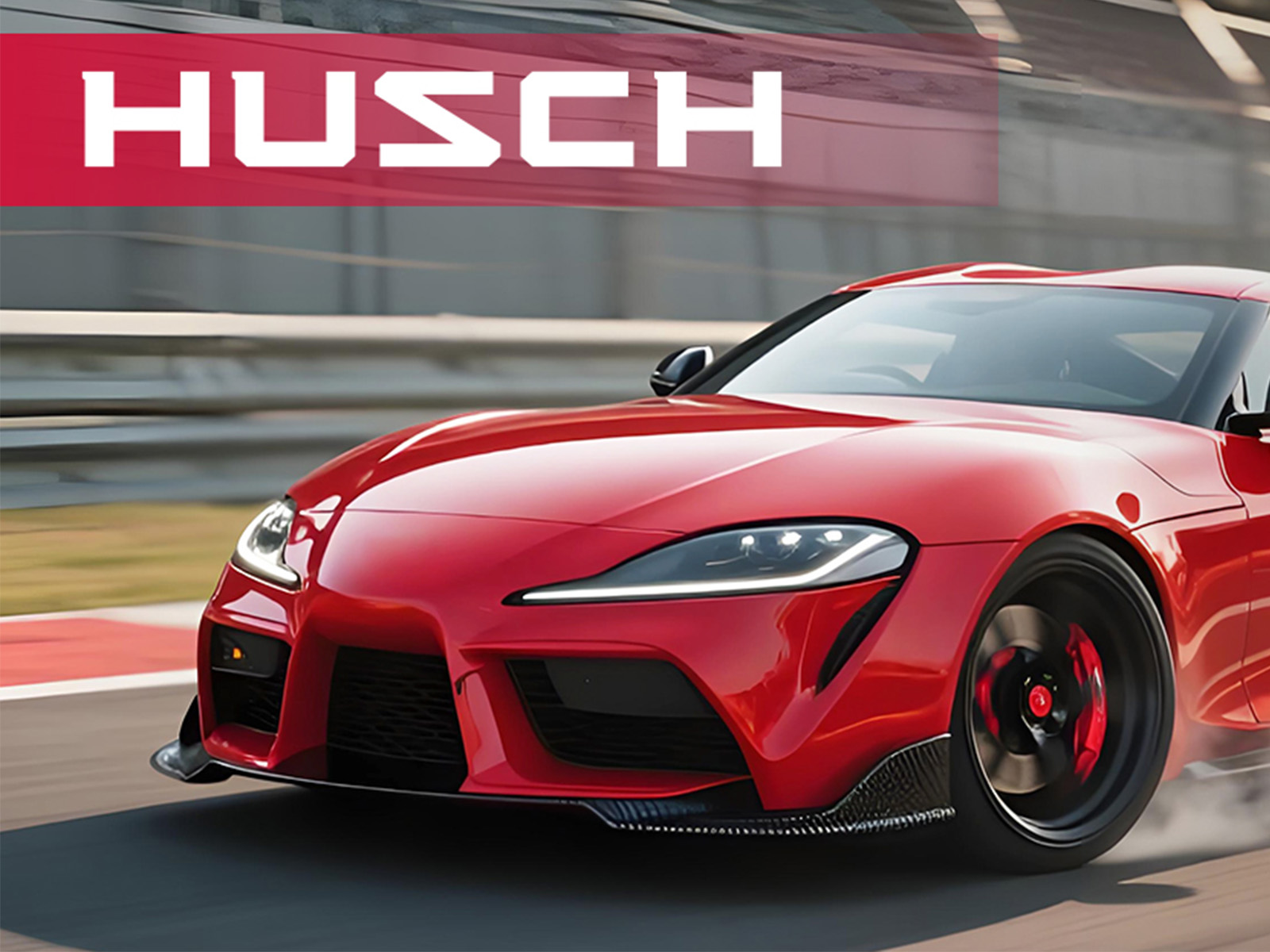
Summary:Brake fade, mushy pedal, dust-covered wheels on steep grades? HUSCH ceramic pads deliver stable stopping power at 650°C, cut dust by 80%, and last over 100,000 km. Engineered for the long descent.
When you’re behind the wheel, few things matter more than brake performance—especially on extended downhill runs. Under constant friction and extreme heat, ceramic brake pads prove their worth in ways conventional pads simply can’t match.
Ceramic brake pads aren’t “pure ceramic.” They’re engineered from ceramic matrix composites, reinforced with aramid fibers, copper fibers, and non-metallic fillers. This unique formulation delivers a set of performance advantages that become immediately noticeable on long downhill grades.
1. High-Temperature Resistance
Long descents generate enormous heat through continuous braking. Conventional pads fade quickly under high temperatures—some even deform or glaze over. Ceramic pads, by contrast, are built for heat. They maintain stable operating temperatures well above 650°C (1200°F) . Even when rotor surface temperature hits 650°C, the friction coefficient remains between 0.45 and 0.55—delivering consistent, reliable stopping power. This thermal stability comes from the ceramic structure itself: it resists degradation and holds its physical properties even under prolonged heat stress.
2. Heat Management & Thermal Isolation
Ceramic materials have low thermal conductivity. That’s a major advantage on long downhill stretches. Heat generated at the friction surface stays there—it doesn’t migrate into the caliper, piston, or brake fluid. This prevents fluid boil, vapor lock, and the dreaded “pedal to the floor” scenario. At the same time, ceramic pads dissipate surface heat efficiently into the air. This combination of internal isolation + external dissipation keeps operating temperatures in check and dramatically reduces fade.
3. Stable Friction Coefficient
Friction coefficient is the single most important measure of a brake pad’s stopping ability. On long downgrades, it must remain consistent—stop after stop, mile after mile. Ceramic pads deliver. Their friction coefficient is largely unaffected by temperature swings or moisture. Whether it’s dry and hot or wet and cold, ceramic pads provide linear, predictable braking force. You stay in control. You set your speed. You don’t guess.
4. Exceptional Wear Life
Long downhill braking is brutal on friction materials. Standard pads can wear quickly under sustained heavy use. Ceramic compounds, formulated with advanced binders and precision manufacturing, offer superior wear resistance. Service life routinely exceeds 100,000 km (62,000 miles) —significantly longer than conventional semi-metallic or organic pads. Fewer replacements. Lower total cost. More miles between service intervals.
5. Low Noise, Low Dust
Frequent braking on grades often triggers noise—squeal, chatter, and high-frequency vibration. Ceramic pads contain no metal fibers, so there’s nothing to resonate against the rotor. Even in wet conditions or after exposure to road salt, they remain virtually silent. Their copper-free, low-dust formulation cuts visible brake dust by as much as 80%. Wheels stay cleaner, longer. Less washing. Less mess. Just quiet, composed braking.
Why HUSCH?
Who We Are
We are HUSCH Braking. Founded in 1922 in the United Kingdom, we’ve spent over a century mastering friction materials and brake system engineering. From the night straights of Le Mans to the mountain passes you drive every day—we bring race-proven thermal management to every vehicle that needs to stop, and stop again, and again.
When You Need Us
- You’re entering a 10-mile downhill grade, and by the third brake application, the pedal already feels “long.”
- You’re fully loaded—family, gear, cargo—and after sustained braking, there’s a faint smell of burning friction material.
- You just replaced your pads, but after one long descent, the wheels are too hot to touch and your brake fluid temperature warning flickers.
- You’ve heard ceramic is better, but you’re afraid of “fake ceramics” —pads that fade anyway, squeal just as loud, and dust all over your wheels.
What HUSCH Fixes
1. Fade on long grades?
HUSCH uses a racing‑grade ceramic composite. In SAE J2784 400°C (752°F) high‑heat cycling, friction coefficient variance is <10% —the industry standard allows 15%. 10 consecutive 100–0 km/h emergency stops? Zero fade. You stay calm. The brakes stay consistent.
2. Brake fluid boiling?
HUSCH pads reduce thermal conductivity by 30% vs. standard ceramics. Heat stays in the friction layer—not in your calipers or fluid. Pair them with HUSCH DOT5.1 high‑boiling‑point fluid, and vapor lock risk drops by 60%. Pedal feel stays firm, mile after mile.
3. Noise and dust?
Four‑layer shims + copper‑free, low‑dust compound. City driving noise: <62 dB. No squeal on the grade. 80% less dust. Your wheels still look clean after a full day in the mountains.
4. Fitment anxiety?
HUSCH offers rotors, pads, lines, and fluid—a true system approach. Every component is tooled to OE data. You don’t need to know piston counts or offset specs. Tell us your year and model. We deliver a perfect match.
5. High price? Short life?
We don’t build supercar brakes. We build brakes that survive real‑world loads and real‑long hills. Performance = Tier 1 global brands. Price = about 40% of dealer OE kits. Real‑world pad life: >100,000 km (62,000 miles) . One set? That’s three laps of the Colorado Rockies.
Your decision just got simpler.
No more choosing between “high‑temp” and “low‑noise.”
No overpaying for an import badge.
No testing unproven “influencer specials” with your family on board.
HUSCH: A century of friction science. Engineered for the long grade.Upgrade once. Own every descent.