
How to Choose Brake Pads? OEM vs. Ceramic vs. Semi-Metallic – A
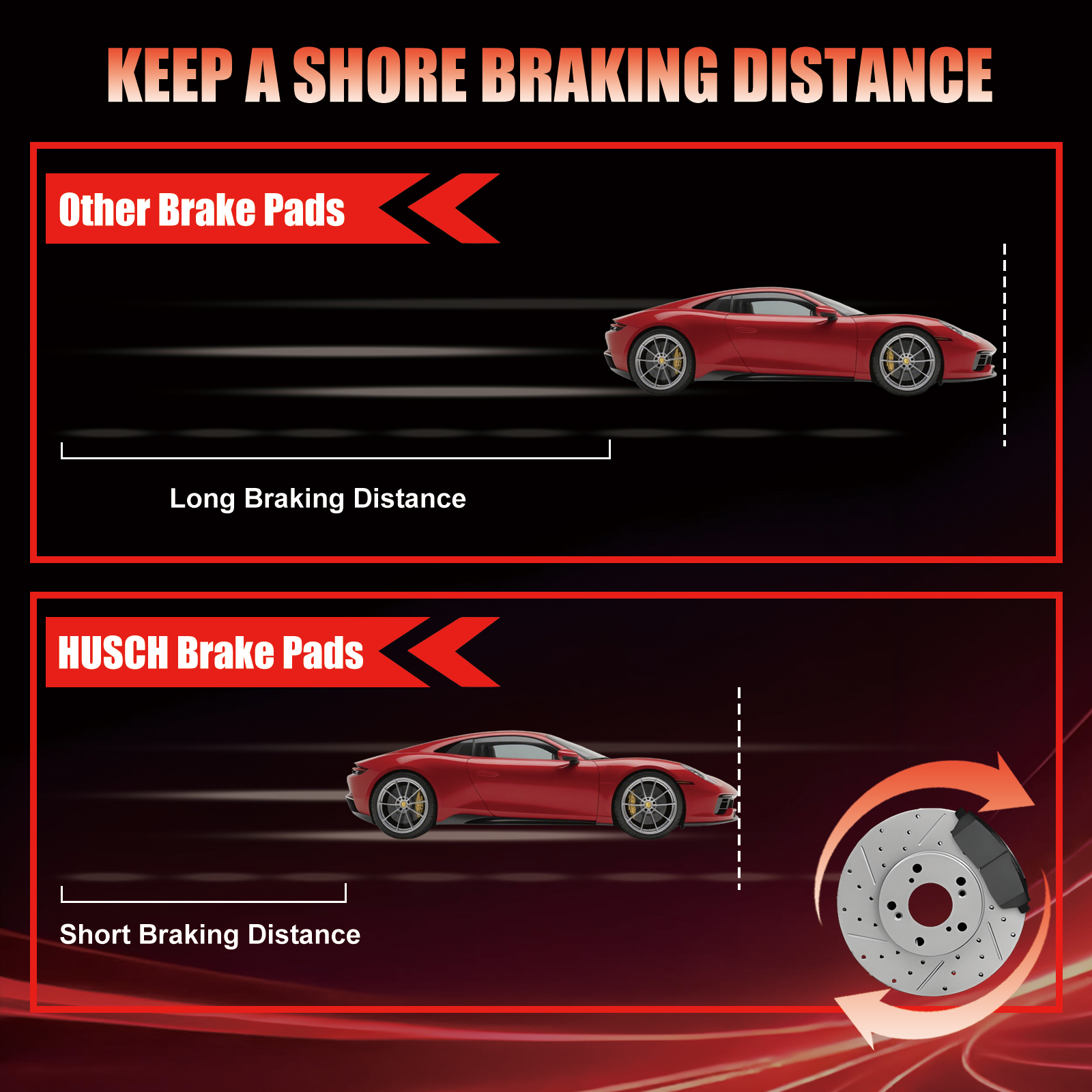
Your brakes are your car's primary safety system, and the brake pads are at the heart of it. With so many types available—OEM, Ceramic, and Semi-Metallic being the most common—it's easy to feel overwhelmed. This guide breaks down each type's performance, best uses, and trade-offs to help you choose confidently.
Part 1: Understanding the Three Main Types of Brake Pads
1. OEM Brake Pads: The Factory-Matched Choice
What They Are: These are the exact specifications supplied to or by your vehicle's manufacturer. The formula varies but often blends semi-metallic, low-metallic, or organic materials.
Pros:
- Perfect Fit & Feel: Engineered for your specific model, offering predictable, linear pedal feel without grabiness or fade.
- Quality Assurance: Meet the automaker's strict standards. Some come with a manufacturer's warranty, and issues can be addressed through dealership service.
- All-Around Capable: Reliable for daily commuting, highway driving, and occasional spirited use.
Cons:
- Higher Cost: Typically 30%-50% more expensive than comparable aftermarket options.
- Conservative Tuning: Prioritizes smoothness and longevity over maximum stopping power.
- Best For: Owners who want a guaranteed, hassle-free replacement, especially for luxury or newer vehicles (including EVs).
2. Ceramic Brake Pads: The Premium, Low-Noise Option
What They Are: Made from ceramic fibers, non-ferrous filler materials, and binding resin. A modern, cleaner alternative.
Pros:
- Quiet Operation: Virtually eliminates squealing and brake noise for a quieter ride.
- Low Dust: Produce a light, non-abrasive dust that doesn't stick aggressively to wheels, keeping them cleaner.
- Fade Resistance & Rotor-Friendly: Excellent at managing heat, reducing performance loss during repeated hard stops. They are also easier on your brake rotors, extending their life.
Cons:
- Higher Price Point: The most expensive common option, often double the cost of basic semi-metallic pads.
- Modest Cold Bite: Can feel less responsive in the first few stops of the day or in very cold weather.
- Best For: Drivers who value a quiet, clean ride and superior comfort—ideal for family vehicles, commuter cars, and EVs where regenerative braking reduces pad use.
3. Semi-Metallic Brake Pads: The Durable, High-Performance Workhorse
What They Are: Composed of 30%-65% metal fibers (like steel, copper, iron) mixed with graphite lubricants and fillers.
Pros:
- Strong Stopping Power: High friction coefficient provides excellent initial bite and powerful braking, ideal for performance driving or heavy vehicles.
- Durability & Value: Very long service life and typically offer the best cost-per-mile value.
- Consistent in Cold Weather: Maintains reliable performance in wet and freezing conditions.
Cons:
- Noise & Dust: More prone to squealing and generate a dark, metallic dust that can stain wheels.
- Increased Rotor Wear: The abrasive metal content can wear down brake rotors faster than ceramic pads.
- Heat Management: While good, they can be more susceptible to fade than ceramics under extreme, sustained braking.
- Best For: Performance enthusiasts, drivers in hilly areas, trucks, SUVs, and those in cold climates who prioritize braking power and longevity.
Part 2: Essential Tips for Buying and Installing
- Monitor Thickness: Check your pads regularly. Replace them when the friction material is 3mm (about 1/8 inch) or less. If you hear the metal wear indicator screech, replace them immediately.
- Buy from Reputable Sources: Purchase from trusted auto parts stores or authorized retailers to avoid counterfeit or unsafe products. Look for quality certifications.
- Always Replace in Axle Sets: Install new pads on both wheels of the same axle (both fronts or both rears) to ensure balanced braking and prevent vehicle pull.
- Follow the Break-in Procedure: After installation, drive moderately for 200-300 miles, avoiding hard stops. This "bedding" process transfers an even layer of material onto the rotor for optimal performance and longevity.
Match the Pad to Your Car & Driving: Consider your vehicle's weight and your driving style. Heavier EVs and performance cars often benefit from ceramic or high-performance OEM pads. For lighter cars or budget-conscious drivers, quality semi-metallic pads are an excellent choice.
The Bottom Line
There's no single "best" brake pad. The right choice depends on your vehicle, driving habits, and priorities. Use this guide to find the perfect balance of safety, performance, comfort, and value for your needs.